
Matt Bowles: My guest today is Hannah Dixon. She is the founder of Digital Nomad Kit, a fully remote company that trains location independent freelancers and virtual assistants from all over the world. Digital Nomad Kit has helped over 27, 000 remote professionals in 170 countries to hone their skills, readying them to work with leading entrepreneurs across all industries. In addition, she offers bespoke recruitment services for companies looking to hire remote freelancers. Hannah focuses on creating standards of excellence in remote work based on her commitment to ethical hiring, fair pay, diversity, and genuine borderless communities. Originally from the UK, Hannah has been a full-time world traveler since 2008. And has now been to over 60 countries today. She travels the world with her wife. She is a frequent speaker on the future of work, entrepreneurship, lifestyle design, and freelancing as a gateway to a more equitable future. She has been featured in Forbes, Business Insider, and the list goes on.
Hannah, welcome to the show.
Hannah Dixon: Thank you so much for having me. I’m very excited to be here.
Matt Bowles: I am so excited to have you here. We know this enormous number of people in common. So, it was only a matter of time until I had you on the podcast, but I’m super excited for this conversation today. Let’s just start off by talking about where we are recording this from today.
Unfortunately, we are not in person. I am actually on the East coast of the U.S. I am in the Blue Ridge mountains of Asheville, North Carolina. And where are you today?
Hannah Dixon: I am in Puerto Vallarta, Mexico, and I was just in the Blue Ridge Mountains. I think back in October last year, I drove through. So, it’s a beautiful area.
Matt Bowles: Nice. Yeah. I actually ended up spending a whole bunch of the pandemic here because my parents have retired to this area. And so, although I didn’t grow up here and I’m not originally from here, I have subsequently spent a lot of time here. And it is absolutely gorgeous. So, I certainly come through at least once a year and I’m doing that right now.
I’ve been out of the country for almost a year. I was in sub–Saharan Africa for about seven months and then I went through Portugal and now I’m doing a swing through North Carolina. But talk about where you are today, Hannah.
Hannah Dixon: I’m in Puerto Vallarta, Mexico. I’ve been here for two months. I have been in Mexico now on and off for two and a half years.
I just got residency here, which is a big commitment for me. I like it. I like Mexico. I’m not sure Puerto Vallarta is my place, but I love Mexico as a destination for stop. It’s provided a lot of stability for me since getting a dog in Mexico, of course. Kind of had to slow down a little bit more for her than myself, but it’s just provided so much variety in terms of the people, types of locations you can go to, environments, climates.
Like I really, really like a temperate climate. So those Mexico City, Guanajuato vibes are my thing. And the food of course is delicious, as you know.
Matt Bowles: Yeah, Mexico is a place that I try to go through at least once a year. I was there last year. I went through Playa del Carmen and then I went out to the West coast, and I went to Puerto Escondido for a little bit, but I’ve been to Mexico City a number of times, one of my all-time favorite cities in the world.
And then I’ve been down to Chiapas. I’ve spent some time with the Zapatista communities in Chiapas and I’ve been all over the country and there’s so many different communities. Types of experiences that you can have around the country. So, I totally understand the residents with Mexico.
Let’s talk a little bit about your backstory. Hannah, can you talk about where you grew up and as you were coming up, as you think back, how did your interest in world travel initially start to develop?
Hannah Dixon: So, I am from the UK. I was born to an American mom from the United States and my dad from the UK. So, I traveled a lot as a kid already back and forth visiting my mom’s family in New York.
So, travel was in my blood early on, even though we grew up in a kind of lower income suburb of London, but my mom’s family had a little bit of money, so we would get shipped off to New York sometimes. So those experiences were so shaping for me, and then I would come home and tell my peers about those experiences.
And I was the only kid that traveled, and it felt really special when I was young. And of course it was, it’s very special. It’s very privileged. And when I got into my teen years, I didn’t have the best home life in terms of, there was a lot of violence and not great situations at home. So, when I turned 15, I was at school and I had this art teacher who’d really kind of taken me under her wing, mentoring me off the clock and I’d spend my lunch breaks there talking about what I wanted for my life.
And she was an amazing mentor to me. And, she said to me, just before the school holidays, what are you going to do in the school holidays? And I don’t know, maybe get like a Saturday job. And she was like, you know, you can get a passport and travel around Europe. And it had never crossed my mind that I was now at an age that I could do that on my own.
I was just about to turn 16. And so, I messaged my best friend, or I called, I think back then we didn’t have messages back then. I called my best friend, and I said, “Do you want to do an interrail trip around Europe?” I saw that you did that in the past as well. Uh, so you know how cool that is. So, we did that.
So, we went traveling around Europe for a few weeks together with next to no money. We shared a baguette for two weeks. We were snipping off a little piece here and there to try and eat because we had no money. But that really started this wanderlust in me. I knew it was possible cause I’d done it with my family, but it’s different when you travel with your family.
Traveling on my own at such a young age with my friend and kind of being responsible for everything that went into that and messing up sometimes, of course, and figuring it out. Cause you do really give me agency over like, I want to do this in my life. I want to have more of this. I want to have freedom.
I want to break free from what I had known. That was the starting point. And it never really ended from there.
Matt Bowles: Well, your travel journey has been incredibly wide ranging, not just geographically, but the way that you have financed it has gone through these different seasons or phases. And I would love to talk about each of them, starting with the phase where you were doing local onsite work in different places around the world to generate money to fund your lifestyle, and then eventually moving into location independent work where you could become a remote freelancer.
And then of course, where you are now, which is building a remote company and being a location independent entrepreneur. So, take us back to that point in your life, how you initially decided, I’m just going to start living in other countries and figuring out how to find jobs in them and see the world that way. And then what was that like?
Hannah Dixon: After I had that trip in my early teens, I finished school, and I didn’t go to university. I was not great in school and kind of a head in the clouds type person. I kind of already knew that wasn’t going to be for me. I had gotten into a relationship, and I was repeating old patterns.
I got into a very abusive relationship. And finally, I got a job in fashion, which you couldn’t tell by looking at me because I’m totally not into fashion, but I landed a job in fashion. And at that point I started meeting people from around the world, sparked that wanderlust in me again. We had a lot of Italian teammates, and we got to go to Italy. I have got to go to Paris.
And every time I came back, I was like, this relationship isn’t for me. This life isn’t for me. This job isn’t for me. It’s not for me. And I cut free from that. I moved to New York. I moved in with family. I kind of made it a little bit easier. I moved in with my family. I started working at Macy’s in the United States.
And then again, this type of job isn’t for me. I want to see more of the world. I knew New York because I’d spent so much time there. So that was really the catalyst. It was me breaking free from that environment once again, but at an older age with a little bit more experience and knowing that I could figure it out this time.
So, my initial trip was to Austria. After that, and I started working with husky dogs there really randomly.
Matt Bowles: Talk about that. What was that experience like? What exactly were you doing there?
Hannah Dixon: I found that through workaway.info, which I believe is still in operation. It’s a work exchange platform. And I joined not knowing what to expect.
The first day I was, I’m going to leave. I’m like, I’m not cut out for this. But it turned out to be probably the most amazing experience I’ve had in my entire life traveling. I made the best of friends there with the guy who runs it, Lucas. And he works with children from vulnerable communities from Vienna.
And they come out to him to do animal assisted therapy in the summer and then in the winter, they do sled dog racing. So, it’s kind of like all year-round things. So, there were so many different things we could do there. I was doing orientation with the kids. We were building yurts and insect hotels and all this kind of stuff in the summer.
And then we were training for races. Throughout the year. And then we were actually doing the races in the winter. So, I learned how to do dog mushing. We got to travel around Europe with that, go to all these different competitions and it was a fantastic experience. And over the years I’ve continually gone back, and I visit him and I’m still working with him periodically now to get sponsorships.
And so, he became like a lifelong friend, and this is, lifelong random passion for sled dogs.
Matt Bowles: And how many years were you doing those types of things where you would get local jobs in different places? Like how much a period of your life was that?
Hannah Dixon: Probably like five or six years.
Matt Bowles: When you think back about that type of experience, it strikes me that when you have a positive one, right?
Like it sounds like the Austria experience and some other ones that you’ve had. There are some advantages to traveling and working like that versus the location independent online digital remote work thing, which are that you are actually immersed in the local area with the local people, and you have a different type of immersive travel experience.
Whereas when you’re a digital nomad and you’re just working on your laptop, you have the ability, should you choose to pretty much just interact entirely with expats and other travelers and really get out of the regular lives of local people if you want to. And so, I’m curious when you reflect back now, having done all of the different types of work and travel options, what do you think about that distinction and that period of your life versus the remote work stuff?
Hannah Dixon: Honestly, there’s a part of me that really misses traveling like that. For the sake of just growing older and being pickier about my accommodations and that, I’m not sure it’s for me anymore. However, there’s a part of me that really misses those types of connections that you can make when you are having experiences like that.
Like you said, you do have a much more immersive experience. I feel like that was the grounding for me building my business. That was the grounding for so many things because the ideas that were grown from meeting so many incredible people all around the world, doing incredible things you’ve never heard of really propelled me forward.
Emotionally, spiritually, intellectually, in the way that I’m like, that was me going to university. I see that as that was my education in the world. So, I miss that. And I find ways to replicate that now in my life, but it’s not quite the same. So, it is a very beautiful way to travel, albeit without much money.
Matt Bowles: What are some of the ways that you currently do cultural immersion so that you’re not just a tourist going through a place and hanging out with other expats and travelers and all of that, which can be fun and interesting. I mean, I interview travelers every week on the podcast and they’re interesting people, but we’re traveling the world to connect with local folks, obviously. And so how do you do that now that you are not immersed in it through in person work?
Hannah Dixon: There are a few ways. One of the ways is I’ll attend local entrepreneurship meetups. So, with local entrepreneurs and not always in the way that I want to give back to that because I’m not all about that white savior thing. But if there is an opportunity to give back, but also just meeting people doing amazing things in that country. Beyond that, I get involved in a lot of charitable things on the ground. I have friends who run an organization for animals in Guanajuato. So, I’ve been heavily involved in that in person.
There’s another organization here called Las Libras. Which funnily enough is now supporting the United States with getting access to abortions. So, I’ve been also helping them with their website and going to their meetups and giving my time there. So that’s a way to really get involved in issues that are important to the community that you’re in as well.
And I feel that’s a really good way to learn more about it and become more immersed, as you say.
Matt Bowles: Do you have any tips or guidance for folks that are starting to navigate this type of stuff? Because, as you just mentioned, the White Savior Complex and there are other issues around the larger volunteerism space, if you will.
But obviously, people want to make positive contributions and people should make positive contributions and give more than they take when they’re a guest in someone else’s country. So, can you give any tips or guidelines for folks that are well intentioned and would like to do that but would like to navigate around some of the problems with volunteerism more broadly?
Hannah Dixon: Yeah, I think it’s really about identifying what your strengths are and what you’re bringing to the table and if that’s necessary, or if you should be empowering somebody else to be doing that. I feel like, especially with the white savior thing, there’s this kind of, I want to go there and make a big impact and it’s all about me.
But what about just arming people with the tools that they need to lift up their own communities? I feel like all the time is much more preferable. So, for example, one way we’re doing that with DNK, which I know we’re going to talk about later, but we are empowering Albanian youth with skills to work online so that they can then teach that to more Albanian youth.
So, getting more people in their system, in their world, in their own community on board with that. And it’s just, we’re starting with the trigger and then they take it from there. So, I think it’s not trying to own something that you’re starting or not trying to like to be the face of something that you’re starting.
Really just handing it, here’s what I have to offer. If this is of help to you, take it and run with it. And I’ll be here to support you every step of the way. I think that’s the way that I approach it mentally as well.
Matt Bowles: Well, one of the other things that I wanted to ask you about is your experience dating and finding love and meeting your partner in the nomadic lifestyle.
So, you mentioned as we were talking about your backstory that you left a bad relationship, which was one of your impetuses to start traveling. And a lot of the questions that I get from people are, if you’re in this nomadic lifestyle and you’re moving around, how does dating work? And certainly, how would you find a life partner and fall madly in love and live happily ever after and all of that.
But you seem to have done that. So can you, can you talk a little bit about your story and then also any tips that you may have for folks on finding love and finding partnership in the nomadic lifestyle.
Hannah Dixon: Disclaimer, as a lesbian, you may have heard the whole thing about you hauling, how we meet and then you’re in love. That’s it. You move in, you get the cat. That’s a thing. It’s the real thing.
The stereotype exists for a reason. So maybe I had it easy in that respect, but that said, I have had two long term relationships as a digital nomad. I’m now married to another digital nomad as well. And I’ve been really intentional about what I want from a relationship, especially seeing as I’ve had relationships I’ve talked about in the past, I became a lot more intentional about the people and the energy that I want to let into my life.
And that for me made a really big change in who I spend my time with because I’d say maybe eight years ago, nine years ago in the digital nomad space, especially in conferences, I would gravitate to conferences where there were more queer people, because obviously that’s who I’m going to be dating. And there used to be a joke that we’re the 12 digital nomad lesbians.
We got to choose between us, and we did, and we were all in a relationship. And now, you know, since the pandemic and remote work is so much bigger. Oh my God, there’s so many more of us out here now that it’s not so much of a struggle. And I think there’s beauty in the fact that there’s so many potential partners out there, but I also recognize that it doesn’t come easy when you’re moving around, and you need to make decisions quickly. As I’ve heard from people, you have these whirlwind romances, but your paths are just not aligned. So, it really is for me. And what I would recommend is being really intentional about what is important in terms of that alignment.
Where do you see this going in the future in terms of, do you want a home base? Do you want kids? Obviously, all the important things that a traditional non location independent life might look like, but also. How do you like to travel? What types of locations are important to you? Because that stuff can cause friction. If someone absolutely hates hot destinations, that’s already a huge mismatch because being location independent for so many people like myself, it’s your entire life.
And I’m not saying put lifestyle over a person, there’s always compromise, but when there’s glaring differences, we don’t have the privilege of having that time to figure those out because we are moving so often. So go deep quickly and make decisions quickly is what I would recommend.
Matt Bowles: Can you talk a little bit more broadly about your experience traveling as a queer person?
And I think. For our listeners from the LGBTQIA+ communities who are maybe at the earlier part of their journey, or they’re aspiring to get into this lifestyle. Can you talk a little bit about your experience and then any tips or concerns or things that folks should be aware of in terms of coming into this lifestyle?
Hannah Dixon: Yes, absolutely. So, I can’t say that I’ve had any negative experiences really, which is awesome to say that I am choosy about the locations that I go to. To prioritize my own safety and sense of safety. Sometimes it’s just a sense of safety. On paper, a lot of places seem homophobic or transphobic and in reality, most people are good.
I’ve found that around the world. That said, do I exercise discretion in some places? Yes. Is that shit? Yes. But I recognize that as part of being in the queer community, whether that’s in the United States or whether that’s in Morocco or wherever I am in the world. And I feel like I don’t speak for all LGBTQIA+ people, but there is a level of knowing when you’re in safe company or not.
You do have to make those decisions as you go, but meeting other queer people along the road has been really helpful for me because being alone in that sometimes, even in entrepreneurial spaces or nomadic spaces, like conferences and stuff, if there’s not a priority in trying to bring those people in, I’m not going. Because I need to speak to people who have my experience as well. And not that I need those people around all the time, but just to know that they’re there and they’re welcome.
So, one thing I actually do when I go to a new location, which is a weird little random tip that I do, might work for you, might not, I look at the city that I’m going to and I zoomed in on Google maps and I put in gay bars because I’m like if there’s not a single gay presence here, I don’t want to go somewhere where it’s just tolerated. I want to go where it’s celebrated and that’s changed for me over the years. I used to go to places where maybe I was tolerated.
But over the years, I don’t really want to have to do that anymore. I’ve seen the world. I don’t need to go to these places that don’t celebrate people like me anymore. And if I do, I probably want to go there to elevate people like me. So, checking if there’s a gay bar in town, it’s a really good way to see if there’s even a presence there.
Cause it’s not about necessarily needing to hang out with other gay people, but is there a place that they can go and feel safe? And if that’s not prioritize it all in one place, it’s probably not a place I want to go.
Matt Bowles: And how about connecting with other queer travelers and finding epic queer centric events around the world and that kind of stuff. Any travel highlights or tips for how to do more of that?
Hannah Dixon: Yeah. I mean, there’s so many communities now. Like I said, there’s so many more people out there doing this kind of lifestyle. So even on Facebook, you can search queer digital nomad groups, lesbian digital nomad groups, gay, the whole spectrum.
There’s going to be a specific Facebook group for that. Also, things like nomad list. There’s a lot of queer people on there now. Then specifically, if you are a single traveler, there’s a lot of tours that you can do for remote workers that are queer focused. There are events. For example, I’m in Puerto Vallarta right now.
One of the reasons we came here was its notoriously gay friendly, probably the gayest city I’ve been to in the entire world. Kind of feels like pride every day, which is beautiful to see. And I know that that’s not the case in so many places. You can send to your travels around attending events like that.
I have a friend who goes to Every World Pride, wherever that is every year. That’s where they’re going to base themselves for the year. And I think pride is still such an important thing. And I think as a nomad, it’s become more important to me as growing up in London. It’s pretty open minded and I never really had any issues there, but as I’ve traveled, like I got to experience pride in Austria in a small town during the pandemic, actually.
And I was able to be part of the team, and I did the videography for it, which was really cool. But they only passed gay marriage in 2019. And literally the day after Pride, there were graffiti of like, everything was crossed out. All the rainbows were crossed out from town. And I’m like, there’s still so many places that are just, right in front of us that we think are like Austria.
You’d think it would be pretty cool with that stuff, and it’s not. So, the value and pride I’ve seen traveling around and seeing different versions of pride and how it’s put together. Is it an activist event or is it a celebration event has been really eye opening and realizing just how important those events are.
So, traveling as a queer person, attending those events has been great to meet local people and also just to feel part of the global community as well.
Matt Bowles: Well, the other thing I want to ask you about is your tips on traveling with a spouse, because a lot of people are thinking about doing this as couples and doing it as a couple.
I traveled with my relationship partner for about three years. We eventually broke up, but I traveled the world for three years with a relationship partner. So, I have a bit of experience with that, but I’m always curious because one of the things that’s so different about that from people that live in one place and live with their partner is that you’re not both necessarily going off to work during the day.
And then you come back at night and you’re like, how was your day? What happened? And you spend a couple hours together in the evening. No, if you’re both working remotely, a lot of times you have the potential to be together 24 seven all day, every day.
And so, it just creates a lot of different dynamics. In addition to what travel throws at you, because traveling with a human being is very different from living in one place with a human being. And I always tell people the greatest relationship test is to travel together and see how that goes in general.
So, you put all of this stuff together and it’s just a totally different dynamic than being in a relationship in one place. And so, I’m curious for you, any tips that you have on traveling with a spouse.
Hannah Dixon: Yes. And I would agree travelling’s very different to being in one place with someone and you really do get to know someone through how they respond to changes in your environment.
One of the things that I would recommend is really taking time for yourself. You know, like you said, you have that potential of being around each other 24, seven, and it can really easily take that person for granted because they they’re just there, right? Like they’re just in your space and you don’t really like making an effort anymore. And so, one of the things my wife and I do is we’ll take trips without each other.
So, I’ll go away for a week, or she’ll go away for a week. Or I recently went away for a month and that’s been really good for us. And it’s built that momentum again. Like I can’t wait to get back and see you and it’s going to be amazing. And then we’ll start going on some dates again. So, taking time from each other as often as we feel we need to.
And I tend to feel when that’s coming, like, hey, I’m getting annoyed, we’re irritable with each other. I’m going to go away for the weekend because. We have the ability to do that, which is beautiful. And one way that we do that as well is through house sitting. So, I’ve done a lot of houses sitting in the past.
And now that we have a dog, it’s a little trickier because not everybody wants someone else’s dog in the house. But because there’s two of us, we’re still kind of in that space. I’m like, oh, if something comes up and it’s a couple of weeks and it’s in Mexico, sure, it’s a good little break for us. So, taking breaks and then being mindful of each other’s working times as well.
Like my wife probably works more traditional hours than I, and I’m more likely to be like, hey, I want to do some gaming for a little while and put headphones on. Stop bothering me. Don’t ask me questions. Now we have this rule that if I’ve got my headphones in, we’re in a ‘do not disturb mode’. So just little things like that about respecting each other’s time and boundaries and space and energy levels and intentionally taking time away from each other, I think has been one of the things that’s helped us grow as partners as well.
Matt Bowles: Well one of the other things that I want to ask you about is sustaining a life of long-term world travel in a way that is joyful and exciting and all of the things. You have been able to do this since 200, Hannah, 15 years of traveling the world. And I’m curious, just reflecting back on that now with everything that you know, if you can talk about what are some of the key pillars for people to sustain this life in a meaningful and joyful way over the long-term.
Hannah Dixon: That’s a good question. And there’s probably a few answers I could give. I’ll try and keep it concise, but one would be, I tend to, when I move to a new location, I will keep it in mind that this is my new home. And when I approach it from, this is my home, what do I need in my home? Then I kind of have a checklist I need to make sure; you know, I have a bad back.
I need to find physiotherapists. I need to find, so I’ll very quickly try to find things to continue my ‘Go to routine’ that I need to function as a human being in this world. So, I’ll find those resources before I even arrive somewhere so that I can seamlessly as possibly integrate into that new home area.
So that’s one way. Another thing is recognizing that this way in which I travel. Canon should be changing according to what I need at that time. I’ve slowed down a lot, 15 years is a long time. I can’t switch countries every two weeks. And I can’t even believe that I did that in the past. I’m like, how did I function?
How did I be productive? And so, slowing down and recognizing that’s okay. And there’s so many different ways to execute a lifestyle by designing that. It can change and will change and being okay with that change and knowing that that change is inevitable has helped me feel less unstructured. The structure is in the unstructured.
If you know what I mean, everything is foreign, everything is new and there’s comfort in that for me. If everything was monotonous, it wouldn’t be the case. But again, within that, having those things that I always have to go to, like I said, the physiotherapist, I need to find where I can get good vegan food, just the things that are part of my lifestyle, making sure that they exist in that place.
And also, community to a degree, I feel like community can be struck up anywhere. I really believe that. I really believe you can make friends anywhere in the world, anywhere you go. It doesn’t mean that the friendships you’ve had elsewhere mean anything less, but making an intention to create community is something that is probably really important that I’d recommend.
And whatever that looks like for you. My wife goes to yoga. She knows she’s going to meet people that she really likes there because she loves yoga, and she wants to hang out with other people who love yoga. I love going to pottery classes or arts and crafts classes. I’m going to meet people that I can talk about arts and crafts and nerd out about that with.
So, I think it’s just about finding your people and thinking outside, like you said, the traditional expat or nomadic entrepreneur community and what are you actually interested in that’s going to give you fuel for like creativity and feeling at home as well.
Matt Bowles: I also want to ask you about mental health as a nomad, because you mentioned earlier that you were initially trying to start getting into traveling to move away from certain things that were negative.
And as you reflect on your nomad journey, to what extent does travel allows you to move away from things and has perhaps healing potential and healing properties and positive things about it versus the extent to which travel can sometimes be more of a perceived escape where it can not necessarily also involve us doing the inner work that we need to do on ourselves to get to where we need to go.
And what types of mental health considerations nomads should be aware of and attentive to as we’re going through this life.
Hannah Dixon: For sure. So, one of the things I’ll say is that wherever you are, there you are. I’m sure we’ve heard a quote like that. Your stuff doesn’t go away. I can attest to that. At the beginning, for sure, there probably was a really big element of escaping and getting away and just physically getting away to be out of bad environments But what was born from that over time, and obviously I was a lot younger then and more naive, but over time and learning about myself was that I was able to, from that, start building environments that actually support my mental health more positively.
And one of the things that I think travel really does is it exposes you to different ways of healing. I’m working with an Ayurvedic practitioner right now. I started cranial sacral therapy in Austria and my mind has been open to looking at different ways to approach mental health from a physical sense.
Like doing body work has been really great for me. Did I know that before I traveled? No, I probably would have gone to traditional therapy and thought that that was the only thing I could do. And while that’s really great and works for a lot of people, it doesn’t. didn’t work for me. So being exposed to different ways of healing and also meeting so many people around the world that I feel that you can be vulnerable with.
I feel like it’s part and parcel with this lifestyle is that you meet people and kind of like what we talked about with dating. I do feel like when I meet other people who travel like this, you have this kind of instant, like, let’s just go deep because how long are we going to be here? You know? So, I feel like in that sense as well, it’s been really healing just to be able to talk freely about our lives and our experiences and how we feel.
And that in itself has been healing, but of course, and there’s that professional element of being able to have access to so many different healing modalities. And now I feel like I’m not running from something I’m building something that supports my optimal mental health, which is probably never going to be perfect because nothing’s perfect far from it, but we can do things to support ourselves.
And again, with the work as well. It’s like finding work that supports and is more accommodating. I have a lot of mood fluctuations. So being an entrepreneur accommodates for that. Now it’s a playful design of supporting myself. And I think that’s one of the things that travel can give us.
Matt Bowles: Can you talk a little bit now about your journey to becoming an entrepreneur?
So maybe take us from the dog mushing era and the locals working around the world, work away from different jobs. And transitioning from that into being a freelancer and working online. And then from that into what eventually led you to founding Digital Nomad Kit.
Hannah Dixon: Yeah, sure. So, I was doing one of those workaways. I was in Italy at the time, and I was working on a construction site. And I was wearing the same clothes I’d been wearing for a couple of years already. And they were covered in plaster and cement and all that kind of stuff. And as I said, I’d worked in fashion all those years ago. So, I had contacts in Italy, and I got invited to like a fancy party in Milan.
And I locked up in my plaster covered clothes and my friend’s like, what are you wearing to the party? And I’m like, oh, this, my feet were literally like bricks of cement, my shoes. So, she was like, let me buy you some shoes. Jesus. So, I was like, all right, I need to like make some money. Maybe that would be good as well.
At that time, you know, I did what I thought anybody thought they had to do. And I went back to the UK and was like, I need to get a job. I need to do life the way that everyone’s doing life. And finally succumb to like, Hannah, when are you going to get a real job? And I did, I got a real job. I got a job in a bar for a couple of months.
And luckily my time in the UK was intercepted by meeting somebody who worked online, and they worked in SEO and web development and all I heard was. Ding. You work online, you can work from anywhere. I can continue traveling and work online. I didn’t even have much experience. I didn’t even own a laptop at the time.
I’m like, teach me everything. And she did very generously teach me everything. We went on to be partners in life and business for a while. And we started our first company together. She was doing SEO and web development. And I realized that our clients needed more than that. I didn’t know what I was doing.
I was just learning from her and by doing customer support and answering emails and stuff, I kind of just started learning as I was going, I’m like, oh, they need more than websites. They need social media help. They need help with their inboxes. They need help with their social media posting and responding to people and Facebook group management.
And so, I naturally started integrating into some of our client’s business. And that’s how that started. Eventually that business didn’t take off anywhere. And we parted ways, but that was where my virtual assistant career started. And so, from there, I went all in, this is amazing. I just want to make money on the road now.
I want to support people all around the world. So, I threw myself in a hundred percent. I learned everything and anything I consumed everything. I put it into action, and I started getting pretty good results. And I’d started a Facebook group, and it was for just other digital nomads at that time. It was hard to find people that were like me, that were queer, that were even women in the space.
There were just wasn’t many that there was vocal at least, or very visible. So, I started a Facebook group to find my people and I did find my people, a lot of them. It was awesome. It was great. And I started sharing my journey as a virtual assistant and what I was doing and got to the point where I was making 5 thousand, 10 thousand a month, sometimes with short projects.
And people are like, how are you having this kind of success? And I would never ever have intended to teach people to do this. I never had the idea that I wanted to move into course creation, mentoring people, but it’s kind of just came naturally for this community. So, people were asking me questions and I threw together a five-day challenge on the fly.
I was like, let’s just do it. Try this and people get jobs at the end. And I was like, oh, this stuff works. So, skip forward to now I’ve trained 27, 000 people. It’s my main job. I have my own team. I never imagined it happening, but it’s awesome. And here we are.
Matt Bowles: That is amazing. So, let’s talk about the two different target markets that Digital Nomad Kit serves today.
One is people that are interested in becoming a freelancer and being able to monetize their skills and expertise and all that kind of stuff in a remote way so that they can go and have the freedom to travel the world or whatever they want to do. And then the other segment are entrepreneurs and business owners who are looking to hire freelancers and virtual assistants to work in their business.
And can you speak a little bit more specifically about both of those and what Digital Nomad Kit offers to each of those groups.
Hannah Dixon: On the one side, we are training people who want to have a career that is a lifestyle career, ultimately, that gives them more freedom, flexibility. With my story in mind, freedom has been such a huge component for me, getting away from stuff to create something better for myself, and so, uh, I think that me continuing to train people and really throwing myself a hundred percent into this was realizing how many people were able to do that.
And for me, that was incredibly inspiring to see just their stories and where they got to take this. And everyone’s idea of freedom is very different. If it means staying at home with your kids, if it means traveling in the world, if it being able to take care of your parents, whatever it is to you, this career has enabled so many people to do that.
So, this is why I’m so, so passionate about providing these learnings and opportunities for people to look at their experience in different ways and how they can apply that online and create something of their own where they really do have more say over, not just their finances, but their entire lives.
So, the power in freelancing for me is, is so incredible in that sense. So that’s what we’re doing. We’re training people to be VAs and freelancers, but from a place of, let’s look at this in a holistic way, we don’t shy away from all those uncomfortable conversations that come up as you move into self-employment, imposter syndrome, fear of success, fear of failure, all those kinds of things that come up on the way.
We’re kind of addressing that within the training as well, because it’s such a huge part of it. So that’s one side. And then on the other side, so, I’d said I’d become pretty successful as a VA myself over the years and my network of referrals got so large that people still were coming to me, even though I’d moved out of doing that work myself, they were still coming to me like, Hannah, we heard that you’re the best X, Y, Z.
And I’m like, I don’t do this back. I have someone who could do this actually for a long time. It started with just, I would get Facebook messages and I’m like, yeah, let me put you in touch with so and so and wait, this is taking all my time. I should be charging for this. And I’ve toyed with the idea of running an agency, but I just don’t think that’s for me.
It’s just so hard, far too much work, but now I just have a matchmaking program. So, a service where people will come to me and I’ll work with them, especially if they haven’t hired before, it’s a really great starting point to understand the ins and outs of hiring a freelancer and making sure that you’re doing so ethically, intelligently, making sure that you’re actually hiring for what you really need.
I think some people don’t really know what they need to outsource. So that’s what we determine in those sessions. And then I’m able to place them with people that have trained with us. And the great thing is that we have such an active community. I really do know most of our learners, the ones that are active at least, like, you know, I really can place them with someone who’s not only just a fit-on paper, but a fit personality wise as well.
Matt Bowles: Can you also talk a little bit about your larger vision, just in terms of how you see freelancing and remote work as a potential gateway to a more equitable future of work and also how you’ve integrated your social and political values into your brand and what you do.
Hannah Dixon: I feel like the barrier to entry to freelancing is low and therefore it makes it very accessible for people across the spectrum.
Whether it’s somebody who can’t leave the home due to a disability, whether that’s someone in a country where jobs are scarce or small towns being able to have big city opportunities. So, in that way it can really level the playing field for people globally. And to access a global market and achieve income that they might not be able to achieve in their immediate environment usually.
So, for me, it really is the way to a more equitable future in that it is so accessible, and it is so open and diverse, and you can really bring yourself to the table. Another thing that I love about this career is that you don’t need to shy away from who you are in order to succeed. In fact, embracing that fully is going to help you align with clients that want to work with you specifically and that becomes one of your assets.
You are an asset in that business. Which I guess leads to the second part of that question about bringing values into the business. For me, it wasn’t really a question. It was just, this is who I am. If you want to work with me, this is what we’re about. And if you don’t like it, then don’t work with me.
I probably in the past have been quieter on my opinions about the world and politics. But I got to a point where I’m like, what I’m teaching is people to build something of their own design that matters to them. I should be embodying that. So now I’m just whatever. This is what I think. If you don’t like it, then don’t buy it from me.
Go work with someone who thinks something different. So, for me, my business is a personal brand. I know that it’s not a business I could like hand off to someone. It works because I make it work. It works because I show up for it and it works because I have these values. It works because of those things.
And what I want to do is be a beacon for other people who are building their own brand. Business by design, because there’s no point building something. There’s no point leaving a traditional job and building something new. If it’s not going to be in alignment with who you are as a person and what your values are, there is no point.
You might as well just stay in a job you hate because it’s the same thing. So, I had to embody that. And now I’m just like, these are my values. So, like it or lump it.
Matt Bowles: No, I mean, I think that’s a really important point though, because the other thing that you’re doing is you are attracting proactively more so than if you had been silent on all of that stuff, the types of people that have that value alignment and that would prefer to be working with someone who has those shared values and in a space that they know will be safe and empowering in all of those types of ways.
And so, in doing that, you’re actually cultivating the exact community of the people that you want to work with because they’re the people that will be attracted to you. And I think the other point that you made earlier, which is really important is how remote work and location independence is not only a vehicle that enables you to travel, but it is also a vehicle that enables you to not travel, if that is your preference.
For example, with regard to the history of this concept of brain drain, where a company that’s based in New York City or San Francisco would have these jobs and maybe the best people that end up landing those jobs are from Nigeria or India or Morocco or wherever they land the job. While in order to work at that job, they have to leave their home country, their hometown. They have to go and now they live in San Francisco. So great. You have all of these people that are living in San Francisco and yeah, it’s diverse and yeah, it’s people from all over the world. Maybe you hired that way and that’s great.
But now all of those people are living in San Francisco and making money in San Francisco and spending money in San Francisco and then they’re sending money home to their home country or whatever, whereas if they can work remotely and do the same job for the same company, but they don’t have to leave their homeland, a lot of people might prefer to at least have that option.
And so, I think that’s a really important point about the value of the freedom of location independence and having that and establishing that. And once you have it being able to make the choice, do I want to live in this place? Do I want to stay and live with my family? Do I want to travel the world as a nomad? Do I want to do something else? Do I want to change my choice over time and all of that.
And so, I think that’s really important. I think that’s awesome that you are training and empowering people to set themselves up, to be able to have that freedom and to have those choices.
Hannah Dixon: Can I just add to that as well? Cause that’s a really, really good thing that you brought up there. And I’ve recently just collaborated with an organization, a nonprofit in the United States called Manabu movement. So, we’re in collaboration with them now, and I think I’d touched on it earlier, but we’re working with youths in Albania and that’s one of the core things we’re giving them the option to not have to feel like they have to immigrate to different parts of Europe and make dangerous journeys when they could be growing something amazing in their own communities.
And so that’s really the goal of this new project. And this is what I’m really excited about. The future of where I’m going in my business is right now is the team on the ground and moving into Kosovo now, and we’re looking at how we can expand this across Eastern Europe and traditionally underprivileged and underserved areas.
So, I’m all on this right now, and this is why the future is freelance. Honestly, I’m telling you.
Matt Bowles: Well, another Maverick Show episode, actually, that I want to put you on to, Hannah, is an interview that I did with an amazing Lebanese woman named Aline Sara, who runs this company called Netekelem. If you haven’t heard of it, what she basically started doing was, in response to the Syrian refugee situation, what was happening is all these Syrian refugees were going into other countries.
And in those other countries, they were not able to work locally in those countries based on their status. And so, what she started doing was training them to be able to work virtually and digitally online and to make income from doing that and then pairing them up with folks that wanted to have their services.
And in many cases, it was teaching Arabic.
Hannah Dixon: Amazing.
Matt Bowles: language learning, things like this. And so now. Not only are they making money from wherever they are online virtually, but also the customer who’s paying to learn Arabic is actually getting a culturally immersive experience. And they’re learning about the lived experience of Syrian refugees and they’re building these relationships and all that kind of stuff.
And then to add one more layer to that story, I interviewed Lamar Shambly, who runs this amazing program called Teens of Color Abroad. And he is a teacher in Brooklyn who runs this program and takes mostly African American, but also some other students of color that are in his class abroad. And that’s the idea.
And what was happening was during the pandemic, obviously they couldn’t go abroad. And so, what he did is he partnered with Nethikellam. So, his. Students in the Brooklyn classroom, we’re learning Arabic from Syrian refugees and building those relationships and all this kind of stuff. Right. And so, it’s just that all of these things can connect in these beautiful and amazing ways.
And there’s all these potentials that ultimately remote work and freelancing has to offer if we’re able to do these things in creative and thoughtful ways.
Hannah Dixon: Wow. That’s beautiful. That’s amazing. And I would love to connect with them both.
Matt Bowles: Yeah, yeah, no, for sure. We’ll actually link up both of those interviews in the show notes because they were both Maverick Show guests and they’re amazing human beings.
Hannah, let me ask you one more question and then we’ll wrap this up and move into the lightning round. When you think back now about all of the travel experiences that you have had, what impact has travel had on you? And what does travel mean to you today?
Hannah Dixon: Travel was my entire lifestyle. It’s hard for me to answer because it is so integral to my life. I see it even when I was young, going back and forth and being a third culture kid. It’s just always been. So, it’s hard for me to imagine it without that. But what I can say is that the feeling that I would have if I didn’t have travel in my life is one of feeling very restricted and feeling very limited in options.
And so, travel has given me what I know is not available to everybody, and for that, I am extremely grateful and really humbled to be able to live this way.
Matt Bowles: Alright, Hannah, at this point, are you ready to move in to the lightning round?
Hannah Dixon: Let’s do it.
Matt Bowles: Let’s do it. Do it. All right, what is one book that has significantly impacted you over the years you’d most recommend people check out?
Hannah Dixon: Secrets of the Millionaire Mind has really helped me. I think it’s a good starting point for anybody who wants to start working on their money mindset because it’s just that initial, why do you think the way you think about money? And then from there you can take it where you want to take it.
Matt Bowles: All right. What is one travel hack that you use that you can recommend?
Hannah Dixon: One of the things that I do, especially if it’s like a busy airport, is when I’m arriving, I will actually take myself up to the departures lounge to grab a taxi cause they’re just waiting there already and there’s no lines.
Matt Bowles: I love that. Alright, who is one person that’s currently alive today that you’ve never met that you’d most love to have dinner with? Just you and that person for an evening of dinner and conversation.
Hannah Dixon: I always tell people in my community when I’m trying to set some boundaries, my inbox is open to my family, my wife and Angelia Jolie. So, let’s just say Angelia Jolie.
Matt Bowles: All right, Hannah, knowing everything that you know now, if you could go back in time and give one piece of advice to your 18-year-old self, what would you say to 18-year-old Hannah?
Hannah Dixon: Just leave already. Just go. The world is safe. Everybody will hold you. There’s safety everywhere.
Matt Bowles: Awesome. All right, of all the places you’ve been, what are three of your favorite destinations you’d most recommend other people should check out?
Hannah Dixon: I love Bangkok, and I feel like Bangkok people just pass through, and there’s so much to uncover in that city that it’s worthwhile spending some good time there. It is my hands down favorite place in the entire world. After that Budapest, just because again, there’s so much there. There’s so much rich culture and history. I’m a real history nerd, so that’s my place.
And then Mexico City, because so many people have preconceptions about what Mexico City is going to be like, and it is gorgeous and is beautiful and is green and the climate is amazing. So those are my top three.
Matt Bowles: All right. Last question. What are your top three bucket list destinations? These are places you have not yet been highest on your list. You’d most love to see.
Hannah Dixon: I really want to go to Georgia. I haven’t been to Tbilisi, and I’ve been super jealous of everyone going there lately. I want to go to China, but I want to go when I don’t have to work because of limitations with internet and some websites. And I want to get to Patagonia in Argentina, desperately.
Matt Bowles: Amazing. All right, Hannah, I want you to let folks know, first of all, how they can work with you with Digital Nomad Kit in terms of the services that you offer. If someone is interested in what we’ve talked about either, they’re interested in becoming a freelancer or they run a business, and they’re interested in hiring the right freelancers for them. How does someone work with Digital Nomad Kit?
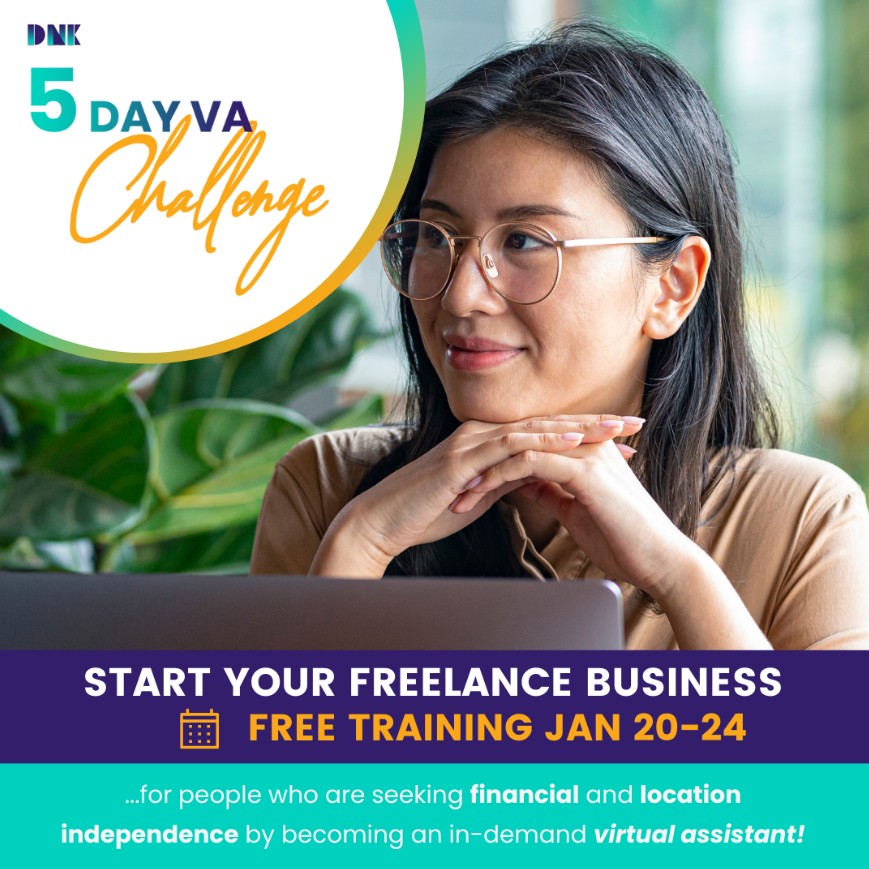
Hannah Dixon: Sure. So, on my website, digitalnomadkit.com, you will find there are a couple of options if you go to one page, it’s all about hiring. So, you can hire, there’s free options. There’s options where I do it with you that are paid, but if you are looking to hire right away and you want to hire from a talented group of diverse individuals all around the world, you can drop a job ad right away and get applications in In, if you’re looking to become a freelancer or virtual assistant, I do run a free training every two months ish, and it’s five days.
It’s really actionable. People have got clients at the end of that coming from zero experience. So, it’s really empowering looking at the experiences you’ve had and how we can package those up and put value on them in a way that makes sense for clients that you might want to work with. And we will help you to do that in just five days.
So, it’s really empowering, even if you decide that it’s not for you. For a lot of people, it’s the kickstart to their remote journey in some fashion. And it’s a really beautiful experience to go through with others. So highly recommend joining that if you’re kind of at the beginning, like, what do I want to do online?
Matt Bowles: Amazing. And then do you have any social media handles or any ways that you want people to find you out in these nomad streets and connect with you?
Hannah Dixon: Sure. Digital Nomad Kit, that’s K-I-T. Digital Nomad Kit on Instagram, on my website, and LinkedIn, just my name. So yeah, just connect with me anywhere. I’m always open to connecting with new people.
Matt Bowles: Alright, we are going to link all of that up in the show notes. Everything we discussed today, the other Maverick Show episodes we mentioned, the books Hannah recommended, her handles, how to work with her at Nomad Kit. All that is going to be in one place. Just go to themaverickshow.com, go to the show notes for this episode. And there you will find it all.
Hannah, this was amazing. Thank you so much for coming to the show.
Hannah Dixon: Thank you for the amazing questions. It was a great conversation.
Matt Bowles: All right. Good night, everybody.