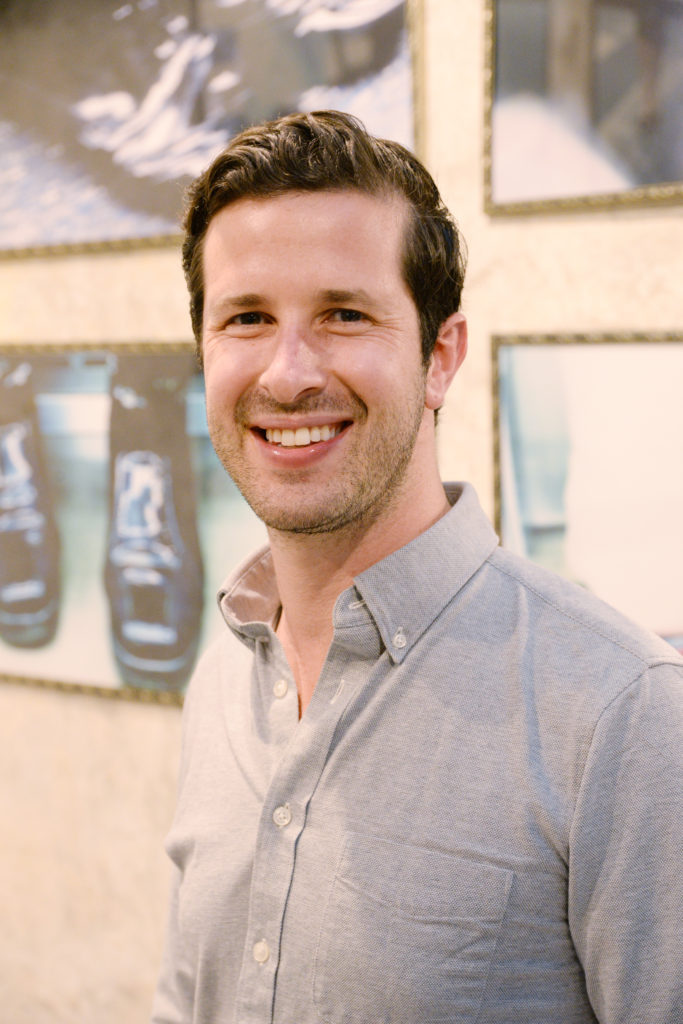
Matt Bowles: My guest today is Sam Pessin. He is the co-founder and president of Remote Year, the world’s largest international work travel program for location independent professionals. Originally from the U.S. Sam grew up in Beijing, Jerusalem and London before returning to the U.S. for college. And in 2015, Sam. Sam co-founded Remote Year which went on to raise $12 million in their series A round scaled to over 100 employees by 2019 and then get acquired by Selina in 2020. Today, Remote Year enables location independent professionals to live and work in different cities around the world as part of an immersive cultural and community experience. Participants get to work and live like a local for one, four or 12 months in some of the world’s most vibrant cities with a group of other professionals from different backgrounds and industries. For a monthly fee, Remote Year plans all the logistics including flights, accommodations, workspace access with 24/7 Wi-Fi, as well as connecting you with locals and planning activities on the ground in each city. Remote Year also offers learn and travel experiences as well as one-week long retreats. At the time of this recording, over 3,000 participants have gone through the Remote Year program.
Sam, welcome to the show.
Sam Pessin: Thanks so much, Matt. That was the greatest intro of all time, so I appreciate it, man.
Matt Bowles: Well, you deserve a great intro, brother. It is so good to have you here. I’m super excited for this conversation. I feel like the last time you and I saw each other was in Valencia, Spain in 2018. So, it’s been at least three years.
Sam Pessin: Yep, that’s right. One of my favorite Remote Year cities. I love spending time there.
Matt Bowles: Yeah, super special place. And a lot has happened in the last three years in terms of Remote Year and so I’m super excited to dive into this conversation with you. But let’s just start by setting the scene here and talking about where we’re doing this from today. We’re not in person, unfortunately, this time. I am actually in Charlotte, North Carolina, today. And where are you?
Sam Pessin: I’m in Washington, D.C. that’s where I live these days.
Matt Bowles: Nice, man. I lived in D.C. for about seven years. Went to grad school at American University, and a lot of great memories from that city. Man, what a cool place.
Sam Pessin: Yeah, it’s been great. We had our first child about a year ago, so we are in family building mode over here. It’s been a very different lifestyle than Remote Year in wonderful ways.
Matt Bowles: Incredible, man. Well, I would love to start this off with a little bit of your backstory. Can you share a little bit just about your background and where you grew up? Because it sounds like you were almost born into world travel, the expat life. Can you share a little bit about those experiences, particularly through the eyes of a kid, and how that was for you growing up and how that ended up shaping your passion and interest in travel?
Sam Pessin: Yeah, you said it perfectly. I was born into a travel lifestyle. My dad was a foreign correspondent for Voice of America for about 40 years. And every few years he had the opportunity to take a foreign posting. Well, before I was born, my parents lived in Pakistan and Hong Kong. And then when I was born, my parents lived in Beijing. And then as I was growing up, we spent time in Washington, D.C. which was home base, and then abroad in Jerusalem, London and China, as I mentioned earlier. And each transition was really hard, to be honest. And I think that’s part of what makes it meaningful and impactful as well.
When you go abroad, you have to start over. You have to make new friends, you’re in a whole new environment. People speak different language sometimes. And even if you go to an international school, it’s just a whole new community, a whole new culture. Everything changes on you. And that forces you to be adaptable, open, and also pretty accepting of lots of different kinds of new people in your life. And it was always really interesting because when I would come back to the U.S. it was usually much harder than when we would go abroad, because when I would go abroad, I was surrounded by other people who were going through the same thing, right? Their families were being uprooted. Every year in my high school, there was like 30 or 40% turnover, right? So, people were just used to a little bit more of a transient community that came in and came out. And then when I’d come back to the U.S. it was harder because my friends back home weren’t like that. They hadn’t had those experiences.
And it was always much harder for me to sort of reintegrate myself. And so, I would often end up with new groups of friends every time we moved back, rather than the same community throughout my whole life. I’m also an only child, so I was doing this basically with my parents and sometimes like a dog or something like that. But it really made me want to continue to live that kind of a lifestyle because I felt that it gave me so much in terms of how I grew, how I developed, how I interacted with different people from different backgrounds and was able to sort of connect with different people from different places. And I just really valued that learning. So, try to emulate that as much as I can in my own professional life and personal life.
Matt Bowles: So then when you became an adult and you had decisions to make about going to college, choosing a major, choosing a professional career path and all that, can you take us a little bit through that path? Because I know after college you actually moved to Mumbai in India for a while as well, right. So, can you share a little bit of that part and those choices you made?
Sam Pessin: Yeah, well, my job selection criteria post college had a lot to do with a situation that would give me the opportunity to work abroad if I wanted to. This was way before remote work was possible. So, at that time I was thinking more about foreign postings or office transfers and things like that. And so, my first job ended up being in consulting at Bain. And when they came to Michigan’s campus when I was in college, they had this 15-page recruitment presentation. And three of those 15 pages were about these amazing experiences that you can have as an employee there. And one of them was transferred to a different office all over the world. One of them was do an externship program somewhere in the world.
They had all these ways to have that kind of a lifestyle, and they were promoting that as part of their brand as an employer. So those were the types of jobs that I really wanted to take. And then I went to work at Bain. I was working in Chicago for most of my time, but then I did six months of an office transfer in Mumbai in India. And it was just incredible. I mean, it was exactly what I was hoping for. And so, when I came back, it didn’t take very long for Greg and I to sit down on the couch and figure out how we made this business come to life.
Matt Bowles: Let’s talk about that story, man. Take us through the founding of Remote Year.
Sam Pessin: So, Greg, who you know, my co-founder from Remote Year, is an incredibly smart future thinking ideas guy. And he came to me one day with this idea, which he did many times throughout our friendship. We worked on different ideas, had different concepts, experimented with some little things. And he came to me with this one and I was like, you’re crazy. That was my first reaction, which honestly was not that unusual. But he’s like, this is in 2014. He’s like, let’s do a program where people are working remotely and traveling together for a year. What are you talking about? And as usual, like, there was something there that I didn’t see that Greg saw way into the future. And the next morning I woke up and I was like thinking about it all night and maybe there’s something there and definitely sounds like a lot of fun. And we put up the website, remoteyear.com and just got crazy response from the world without spending any money or doing anything fancy. I mean, we just shared it with some friends. We reached out to some, some journalists, kind of blind, and got some early coverage that sort of snowballed all around the world.
And before we knew it, we had 50,000 people that had given us their information from all over the world. Only about a third were from the U.S. we had a bunch of coverage in Brazil and some other places. And it was clear that we struck some kind of a chord with people. And keep in mind, this was. I don’t know when you first gave your information, but this was when our website was just a blurry image of a laptop on a beach with an email signup box, basically, and one line of text. So, there wasn’t even really that much for people to go on. And they were still like, they wanted to be a part of this community, they wanted to be a part of this thing. And so, we spent the next three or four months just part time like, fleshing out what it was, what the itinerary was going to be, how we were going to sort of figure out these 50,000 people going through some kind of a process to learn about the program, apply for the program, become a part of the community. And then we sent the email and, you know, half the people applied and we started basically talking to people on the weekends because we both still had jobs that we were doing, you know, Monday to Friday. And so, we were in the evenings and weekends basically working on Remote Year for many months.
And so, we spoke to about a thousand people between the two of us over the course of about three months of Saturdays and Sundays, like 8am to 10pm. Literally, we pretty much didn’t see our friends for like a whole quarter because we were so excited going through these calls. And the truth is, like the moment of many people signing up and all those people showing interest was really exciting. But when we first started having these calls after that first weekend, and I met some people that did our first program and I’m still friends with today, it was so inspiring. I mean, people from all over the world with different backgrounds and different personal stories and the reasons why they wanted to do this were so aligned to what we wanted this to be.
And it was just people started signing up, they gave their down payments, and at that point we brought on four other people onto the team to help us run the program and worry about the next program and all the different things we needed to get done. But that was really the beginning. And we launched that first program with 70 people in June of 2015 as planned. So, it was crazy. You know, we literally put all of our stuff that we lived together in a two-bedroom apartment in Chicago, and we put all of our stuff in Greg’s parents’ basement in the suburbs of Chicago and just left with a suitcase and that was it. The funny thing about that is I came back to that basement five years later and basically just gave everything to Goodwill because there was like absolutely nothing that I actually needed there. So came full circle pretty recently actually.
Matt Bowles: Well, I know some of the people that were on that very first Remote Year trip, which the group is known as the OGs. And in fact, Trevor Gerhardt, who’s a very good friend of mine, was literally the first Remote Year customer to step off the plane on the first trip. So, I’ve heard his version of the story, but I would love to hear sort of from you how it was back then in that super early startup phase, and then how Remote Year evolved over the years to what it is today. Can you take us a little bit on that journey?
Sam Pessin: Yeah, definitely. Well, that first program was wildly difficult for us, as you could imagine. I mean, we had a very large group of people. I mean, most of our programs since then have been smaller than that. These days our programs are 30, 40, maybe 50 people. And that program was 70 people. We were running it with six of us, with no support from sort of local people, local teams that were sort of a part of our Remote Year team. We were trying to sort out accommodations and Wi-Fi and workspace, and we were working around the clock, like all of us doing everything we could, throwing all of ourselves into it. And we still weren’t delivering a service that was to the satisfaction level of the group, they had a really great time the first month or two, and then things got pretty difficult. We have these sorts of cycles that groups go through, and we were just not delivering up to the standard that they were expecting. And that was a very, very emotionally challenging thing for our team because we wanted it to work so badly and just weren’t doing it well.
And the customers who, by the way, we were literally spending 24/7 of our lives with, traveling with for the whole year, unless we were, you know, one city ahead, planning for their arrival, were every day, you know, looking at us and telling us that we weren’t doing a good enough job. And that was really tough. So, we had some workshops as a team and figured out what we needed to fix and what we needed to change. And we created a very focused plan to basically improve the program and improve the service we were delivering. And we committed to a specific kind of housing, a specific kind of workspace. We decided that it was really critical that we had local support in every single city. So we started to invest in that from that point on, which I’ll talk about in a moment, and that was kind of the turning point, middle of the first program, where things started to improve, and we started to get the kinks out of the operating system that we were working with and the infrastructure we were providing to people.
And it definitely wasn’t fixed immediately. I mean, it was a long journey to get the program to a point where we felt like we were in a really good spot. But that was the beginning of the progress. And I think it was a really important moment where things could have gone south or things could have improved, and we were able to get them on the right track. So that was the early stage. The second phase was 100% about local teams. We figured out that that was the key to everything working well. And we had them focus for the first year of that journey in 2017, 2018, on the infrastructure, just housing, workspace, and sort of those heavy-duty details to get those to a good place. Because if people were happy with the housing and happy with the workspace and happy with the neighborhood, everything else would sort of like fall into place from there. And then the next couple years after that, we focused really intensely on the experiences that we were providing as a part of the program. And that was more like 2018, 2019. So that was when we really invested in local partnerships on the experience side, our positive impact programming and things like that, that sort of were like the top of the hierarchy of needs of people who go on Remote Year.
And then the final phase, like most recently has been community building. So how do we take this experience we’ve created and really build program leadership and communities into the amazing organisms that we’ve seen with pretty much all of our groups so far. And that’s been sort of the focus since then. We also, at the beginning we only had 12-month programs. So, for the first 15 programs of Remote Year, you could only travel for a whole year, hence the name. And then halfway through we introduced the four-month program. And most recently this year we’ve introduced one-month programs as well as our retreat programs, which are kind of their own flavor and category of Remote Year.
Matt Bowles: So, let’s dive into each of these pieces a little bit more and maybe let’s just first start off with the current offerings from Remote Year in terms of what choices people have in terms of the Remote Year experiences. Can you sort of describe each of those offerings that are currently available, if people are interested?
Sam Pessin: Yeah, definitely. So, I’ll start with retreats because they’re their own sort of category. Those are typically about a week and they’re exactly what you would think of when you think of a retreat. You’re getting away, you’re going to some beautiful destination with a small group of people. And it’s actually not a work and travel program like the rest of our experiences are, which we’ll get to. This is for take a week off of work, go escape, spend some time with an amazing group of people. And they typically have some kind of a theme to them, whether it’s a physical theme or connecting with yourself, connecting with others, things like that that people may want to invest themselves in.
So far this year we’ve run about five of them and they’ve gotten phenomenal customer feedback, actually the best customer feedback we’ve ever seen from programs. So, we’re very excited about those programs sticking into the future with us. The second is the one-month program, which is kind of like more of a trip or a workcations. It’s really an opportunity for people to go spend a month in a different place. They’re probably working remotely, maybe they take a week or two off during that time. It’s less of this like huge, big emotional journey that our longer-term programs are that you’ve participated in and more of just going to an amazing place with a great group of people for a month with your job, right, go to Mexico City for a month, go to Cape Town for a month, et cetera.
They’re really well suited for people that are working in tech for example, who have, at least as of recently, most companies have rolled out work from anywhere policies that they can actually participate for a month, but maybe not for a year. And people in jobs like that. So that’s the second category. And the third category are longer term journeys. The four months, the 12 months are sort of legacy products that are these transformative, amazing experiences where the community is like deeply connected family at the end of the experience, which you very well know about. And it’s the kind of thing that you look back 50 years from now and you say that that’s one of the top five experiences I ever did.
Matt Bowles: Yeah, I tell people that all the time. So, I did the Remote Year 12-month program back in 2016. I was on Libertatum, which was the seventh program that you guys ever ran. I tell people to this day it was the greatest, most amazing year of my life. And that was for a number of reasons, because there’s so many unique and special things that occur in that experience, one of which is just how extraordinarily unusual it is in the modern adult world for human beings to be able to spend that much time together, see each other that frequently, and also then layer over that, have the most incredible bucket list, memorable experiences of their lives and share it all together. And so, I have that conversation with people all the time. Why was Remote Year so memorable and amazing and impactful for you?
And one of the main first things that I say is because of the community and the depth of the connection that is possible by the structure of the program, right? You’re traveling the entire world for a full year with the same people. You’re seeing them every single day, right? Like how long. If you live in a city, how frequently do you normally see, like your best couple friends? Like maybe once a month or something, go out for coffee or dinner? You see them 12 times a year. Well, the Remote Year, you see people 365 times a year because you see them every day.
Sam Pessin: Almost everybody. What you just said about the community, nine out of 10 people who have done Remote Year, that’s the most valuable important part of their experience.
Matt Bowles: For sure it is. I mean, because I was a full-time nomad for three years before doing Remote Year, right? So, like, I was traveling around the world, I was booking accommodations, I was working, I was doing all that stuff. What I was missing was the community. What I was happy to pay for was that Remote Year was bringing together all of these other location independent professionals like me that wanted to come together and build an intentional community with me for an entire year and then go and just do epic travel stuff together all the time, every month and just have this unbelievable year of doing incredible things. But also, they were working and also, they were intentional about building this community because everybody wanted the same thing, of course, which is of course you want to be surrounded by people that care about you and all of that.
Nobody was there for each other. And I will tell you, five years now, after the start of our program, we still have regular zoom calls where we all jump on and we catch up. And you know, I was just staying with some people from my Remote Year group last month and I’m going to go start traveling with some of the people from my Remote Year group later this month in fact. Right. I mean, these are family for life in terms of doing a program with people because of the depth of the connection that you have. And it’s unlike anything that I’ve ever experienced before. For sure.
Sam Pessin: That’s amazing.
Matt Bowles: Yeah. So, let’s dive into a little bit of the customer experience now. If somebody signs up for, let’s say a four-month program or a 12-month program like I did now, can you share a little bit about what is that the actual experience today for a 12-month Remote Year program?
Sam Pessin: Sure. So simply speaking, just to start with, what’s actually included in the experience, you have a community for the entire time. Right. That you’re with. And that community doesn’t change throughout the course of the experience. It’s the same 30, 40, 50 people for the entire time. And then throughout your journey, what’s included in that is all of your housing throughout the year, coworking space throughout the year, travel between each city on the itinerary, and full-time staffing program leader that travels with your group and is sort of a community manager for the group and local teams. At least one person, sometimes two people in every single city. We include a bunch of experiences as well. Some of them are in the evenings, some are on the weekends, some are one day, some are overnight. And then there’s a bunch of other add on experiences you can be a part of as well. And at least as of recently, one of the most important things is having access to international SOS, which is our health and safety platform. So, everybody who does the program has the ability to sign in and be a part of that.
Matt Bowles: Can you also talk a little bit about community building and how Remote Year approaches that and how you approach safety and inclusion on these trips and actually build that community?
Sam Pessin: Yeah. So, safety and inclusion are two different things. And I’ll touch on both. I think that there is a lot of natural community building that happens based on what this program is. A group of people have chosen to have this kind of experience together and there’s some just natural sort of tailwinds we get from that concept. When people join, we have a full-time dedicated program leader for each group. And that program leader is an incredible human who usually starts one or two months before the program starts to connect the community digitally. We have slack that everybody has access to throughout the whole program. That’s kind of our main digital community and communications channel. They start to form relationships; they meet everybody one on one.
And then as the group comes together in person, they’re really the sort of point person for community formation, community growth, et cetera. We have an orientation that happens really early in the program that really tries to get people a little bit outside their comfort zone, sharing stories, etc. And that’s really kind of the beginnings of the community experience. We’ve also developed some different touch points throughout the journey. So, for example, if you imagine a 12-month program, we celebrate the 100th day, we celebrate the midpoint, we celebrate the end of the program in these really unique and magical ways that put kind of the icing on the whole experience and really allow people to take a step back and think about everything they’re going through for a minute and reflect on that. In terms of inclusion for us, it’s critically important to the customer experience that people feel like they are a part of this group and that they’re an accepted and happy and comfortable part of that community. That has been a learning journey for us over the last few years and we’ve developed and introduced some programming that we think helps to do that. Some of that is training that we give to the program leader. Some of that is preprogrammed trainings that we give to the community itself.
So, everybody has to do a couple different modules before they join. And then there’s actually some of that that happens in person, things like unconscious bias training and things like that. So, we try to encourage people to have tough conversations that allow them to connect in new and important ways to make them feel accepted and make them feel like this is a great place for them to be and a great community for them to be around. And then finally, in terms of safety, International SOS is a huge partner for us, as I mentioned, but more safety like within the community we have a code of conduct. And that code of conduct is sort of our bible for how people are expected to behave on our programs, and if people don’t behave that way, we have a process we go through to sort of evaluate the situation and make a determination on what needs to happen. Sometimes we will remove somebody from a program, sometimes we’ll have a conversation with them, et cetera. And so, we want to make sure that everybody feels that they have the ability to flag things like that throughout the program.
Matt Bowles: And can you also talk about Remote Year’s prioritization of Positive Impact and how you’ve integrated that into the program? And maybe just, I mean, kind of more broadly, what is Remote Year’s sort of perspective on travel ethics and being environmentally and socially responsible when traveling? And then how have you built positive impact into the program for the participants as well?
Sam Pessin: Yeah, at a high level, we have tried to partner at a very local level with positive impact. And so, what we’ve done to approach that is, in every city, we have at least one key positive impact relationship. And every group that visits that city has an opportunity to work with that organization at least once, usually two or three times throughout the month. Obviously, it’s all optional for people on the program and that volunteer work can be anything from manual labor all the way through actual professionally relevant services, like building a website for one of these organizations or something like that, where we pool the talent within the group.
And so, we’ve had these sorts of ongoing relationships with these different organizations in the different cities that we visit. More recently, we’ve also rolled out a sort of vendor vetting process where everybody that we work with on the ground, whether it’s housing, partner, co-working partner, experienced vendors, et cetera, we ask them a series of questions to just make sure that their values are in line with our values and that they’re not doing anything that’s harmful to the ecosystem or the local community based on how they’re operating their business, basically.
Matt Bowles: And can you also share a little bit about the city teams and the way that you help people to connect locally in the different places that you go with the local experiences and all that?
Sam Pessin: Yeah, it’s really one of the most important sort of differentiating factors about Remote Year versus another travel experience is you have this person who’s full time thinking about you and your experience and your program while you’re there. They’re almost always from that city, or at least that country. Their job is really to help you connect with the local culture and the local community in that city. So, with our experiences, which are very direct exposure to that, we try to uphold a philosophy that these are experiences that you couldn’t have done without Remote Year.
That’s obviously not a full universal truth, but in general, we try to find these really unique ways of people connecting. Like we have a dinner with Grandma’s experience in Mexico, where you literally are like going to these houses of these grandmothers who are cooking local Mexican food for you and talking to you about their lives and et cetera. And it’s just this amazing thing that you couldn’t have experienced without Remote Year. And then the other side of it is just they’re there to help you while you’re in this place. So, if you’re in Mexico City and you really are interested in photography or you’re really interested in meeting people in the LGBTQ community or whatever your interests are, they can sort of help and guide you and push you in the right direction, connect you to some people or some organizations or some events that might be relevant for you.
Matt Bowles: That’s awesome, man. And then the other thing that I want you to talk about, because this is, in my opinion, one of the highest values of joining a Remote Year program for me has been, is the Remote Nation and the citizenship program. Can you share a little bit about what that’s all about?
Sam Pessin: Yeah. So, we have some branding around our community. We call ourselves the Remote Nation. And when you sign up for a program, you are a pre-moat, pre-program. When you’re on a program, you’re a remote. And then when you’ve completed or graduated from your 4 month or your 12-month program, you become a citizen of the Remote Nation. It’s basically our alumni. And all of those people, all of our citizens are in one big Slack group, one big digital community that’s able to connect with one another forever. I mean, I’m sure you still use Nation Slack all the time. There’s still this access that you have and you can find people from other programs that are traveling to different places. We have channels for almost every city in the world where if you go to London, you can join the GEO London Channel and whoever else is in London might want to grab dinner with you or meet up or do something fun.
So, there’s this kind of organic value of the community where you just have this unlimited ability to connect and travel with each other, sort of like outside of the sphere of Remote Year. And then inside of the sphere of Remote Year, we have customized programming that we offer to citizens such as like weekend summer camp experiences, what we call nation houses, which are these one-week, two-week, three-week experiences, usually in more like coastal or nature forward destinations. Where you can connect with other citizens from other programs and you have this experience where you are exposed to a number of other people from other groups that you may have never met before.
And the idea with Citizens for us is for it to be this lifelong community of people who want to continue to work remotely, want to continue to explore the world globally. And some of them may use Remote Year as a platform to do that. And some of them may just go do it with their friends from Remote Year in the future on their own time and with their own plans. So, it’s hard to explain the Remote Nation Digital Slack community, but it is one of the most vibrant, lively, exploratory communities I’ve been a part of digitally. And there’s just amazing things that are happening. People hiring each other and building businesses together and connecting on really important topics. And it’s incredible.
Matt Bowles: It is amazing. And so, I mean, just in terms of my own experiences, right, my 12-month Remote Year program ended back in 2017. And since then, one of the things that I’ve done as a citizen is I have joined because citizens have the opportunity to join and become a part of another Remote Year program for just one of the months, right? So, if a 12-month program is in progress, if you’re a citizen and you’re an alumni of a 12 month program for a discounted rate, you can just pay to join another Remote Year program just for a month. And then you drop in and you just are part of the group, your part of the community. It’s an amazing how they integrate you in and all of a sudden, boom, there you have another family for a month. And I have done that now with multiple different groups in multiple different cities over the years. And that has been really one of the most amazing things for me about the citizenship thing.
And everybody and you all, you immediately have a connection with everyone because you’ve all done Remote Year. So, they all want to hear your Remote Year stories and hear about how it was on your trip and talk to you about it because you’ve done it before and all that. So that’s been one of the amazing things. And then as you mentioned, the Nation Slack community online has just been extraordinary because now there’s over 3,000 people that are in it and you can anywhere that you go. I mean, I remember 2018, I was going to Nairobi, Kenya for a month and I just put up a thing, I said, hey, is anybody going to be in Nairobi on these specific dates when I’m there? And six people were like, yeah, I’LL be in Nairobi then, you know, so we had like a Remote year meet up. And one of the Remote Year guys that came was Kenyan and he brought his whole crew from Kenya. So, he brings all these Kenyans who are all world travelers.
One guy had just got back from Japan and I was going to Japan. So, he was giving me all his advice on Japan. And I mean, it’s just this amazing sort of community of folks that wherever you’re going, whatever you’re doing or stuff that you want to discuss, right? Whatever you’re into, there is a Remote Year Slack channel for that in the nation. Slack, if you’re into scuba diving, whatever you want to discuss or do or organize a trip for, there’s channels for that and people discussing it and all that kind of stuff. So, it is really an extraordinary benefit that just simply comes along with your Remote Year experience.
Sam Pessin: I mean, Nairobi story is the perfect example. So, thanks for sharing that.
Matt Bowles: And I mean, another one I’ll give, just real quickly, I went to Tbilisi in Georgia in 2019, and I was actually going with a friend of mine from another Remote Year program who I met because we both did the citizenship program right after we were done. And she was from the Battuta program, which was the second program ever, shout out to Katie Fowler. And we were going to Tbilisi, Georgia together, and we just threw a thing up and we said, has anybody from Remote Year happened to be in Tbilisi on this particular week? When we’re there, there were 10 people there. We had a dinner with 10 people from the remote nation, took a picture and put it up on the slack and all that kind of stuff and just tagged all the different groups, which is so fun, right? Because all of these people from all different Remote Year groups, right? So, then you’re tagging like all the different Remote Year groups and there’s somebody from their group and you see just 10 people from like all different groups. And it’s wild, man. Wherever you go, like, there’s people.
Sam Pessin: That is unbelievable.
Matt Bowles: All right, Sam, one of the other things that I want to definitely ask you about and talk about is Remote Year’s commitment to diversity, equity and inclusion. And the journey, particularly over the last two years. I mean, the journey over the duration of Remote Year. I mean, if you can sort of share that and then particularly the progress over the last two years. And I’ll sort of contextualize this as well by saying that I have interviewed on this podcast on The Maverick Show a number of folks from the Black Travel Alliance. I’ve interviewed the president, the chair, and a number of the board members of the black travel alliance, who in 2020 launched this pull up for travel campaign, which Remote Year very publicly responded and agreed to participate in that. And I’m wondering if you can share a little bit about the DEI journey in general and then particularly over the last two years, with regard to the black travel alliance campaign and otherwise, what that journey has been like for you guys.
Sam Pessin: For sure. I mean, I’ll just start by saying for Remote Year, as a company, what we believe in is that bringing many people together from different backgrounds and cultures and places to have a shared experience together is something that will help them grow and develop as people. Right. And so, the concept of DEI for us, I think, is particularly important because it’s actually fundamentally rooted in what we do and the programs that we run. And I think of our programs aren’t diverse and filled with different people from different backgrounds and perspectives, then our programs aren’t what we want them to be. And if the community and the feeling that you have while you’re on Remote Year doesn’t feel inclusive, then it’s the same issue, right? Like, you’re going to have people that are not expanding and getting outside their comfort zones, and they are probably going to leave the program. And we’ve had some of that.
So, I think it is critically important to us as a brand and as a program to be really focused on this. And I think in our journey, we’ve gone from not having any kind of organized, systematic focus on DEI to 2018, 2019, starting to set some goals, and also to introduce some of that inclusion programming that I mentioned earlier, the pre-program orientation. And also, we added some content to our new city sort of welcome materials so that people from different kinds of groups would at least be aware of some of the things to be conscious of when you’re in that country, whether there are some legal implications or considerations or cultural implications or considerations to just be aware of. And most recently, like last year, you know, BTA came out and started their campaign, and we really wanted to be a part of it. And it was something we believe in fundamentally. And we have transparently struggled with the black community over the last few years in terms of the number of people on our programs that are black and in terms of the feedback that we get from those people who are doing our programs.
And so, we really felt it was important to respond to that and to do a better job. And last year, we made some commitments through BTA. We committed to increasing black voices through our website and social media to partnering with some black influencers. We were targeting 15% of our new hires being black. And we also wanted to actually start measuring on our team and within our remote nation, the people doing our programs. And then the final one was to actually expand our DEI programs. And I would say we did an okay job with that. I don’t think we hit all five of those, to be honest, but we did hit a few of them. We aren’t quite at 15% black, although we have made really great strides with people of color in general. And I’ll talk about that in a minute. And we definitely started measuring, so we have much better data now on our communities, like each community individually, the community at large, our team in our onboarding materials, and our team onboarding materials. We actually make sure that we capture that information now so we at least have the data to talk about.
Matt Bowles: Can you dive into that a little bit? Because I know that when you were setting your goals, they were sort of broken out because you guys were very polished public about this. This was a very public and transparent, the way you guys did it. So, can you talk a little bit about those goals in the different areas, both in terms of the hiring, but also in terms of the customers, the participants of the programs, and then also in terms of the marketing materials and sort of how you broke out those goals and then how that progress has gone over the last couple years and where you guys are today?
Sam Pessin: Yeah, I think we’re actually, to be honest, in the process of revisiting our goals. We recently brought on a new head of HR on the Remote Year team, and we’re working with him on redefining this for us in the new world. The goal we set last year, at least in terms of black travelers, was to get to 15% of travelers and team. We actually did get there on travelers, but didn’t get there on team. So, I’ll just throw some sort of current state statistics around our community this year. So, ages range from 21 to 77. We are over 50% people of color on our programs this year, which is a massive step forward for us. Really excited about that. And I think of the 50%; 21% is black, 18% Latino, and 14% Asian. So really happy with the progress there. About 60% of our travelers are female identifying, 12% are LGBTQ identifying, and we’ve had people from over 50 different countries travel with the program this year.
Matt Bowles: And what’s your average age of the program participants now?
Sam Pessin: The average is about 34, 35. It’s actually gone up a little bit, which is really interesting. It used to be like, 31, 32. I wanted to actually throw you some team stats as well, because I think that’s actually the area where we probably want to focus the most for the team. We’re at 42% people of color, only 8% black. So that’s an area we need to focus on. It’s basically exactly 50- 50 female, male identifying, 25% LGBTQ. And the one I’m actually most excited about with our team is that we are now 70% no- U.S., and pre COVID, we were 70% U.S. So, we’ve really sort of flipped the seesaw on a much more international and diverse team and definitely still have some work to do on racial backgrounds.
Matt Bowles: Awesome. Thank you for sharing that, man. I appreciate it. Can you share a little bit about the impact of the Pandemic on Remote Year, how you ended up getting through that and talk a little bit about the Selina acquisition and what that means for the company moving forward?
Sam Pessin: Definitely. Pandemic was brutally difficult for us. We went from having a lot of people on programs in a very healthy company in March of 2020 to absolute zero in April 2020. And unlike some other hotel brands or hospitality companies that may have taken a revenue hit, we went all the way to zero because we basically paused and postponed all of our programs. We didn’t feel that we could run our programs in that environment. So, we hunkered down with a much smaller team to figure out what our path forward was and how we were going to get through this thing. And along that journey, we found Selina, who has always been a brand that we respected and admired in the sort of work and travel, Digital Nomad space. We’ve been in touch with their team for years. We’ve had many people from our team work at Selina and Selina’s team work at Remote Year.
And we started talking and one thing led to another, and we were having serious acquisition discussions, which led to the deal that happened basically exactly a year ago now. So, it was the perfect step forward for Remote Year. It really allowed us to not only get through the pandemic, but also come out stronger with new ideas, new perspectives, and an ability to really relaunch the brand in January of this year, which is exactly what we did. And since then, we’ve been basically back to business and trying to get as many people onto these programs, traveling internationally as we can. It’s been really nice after last year.
Matt Bowles: That’s awesome. Can you talk a little bit about Post Acquisition and the whole transition. Now, what is your role with Remote Year moving forward and what is your vision for the future of the Remote Nation and where things are going?
Sam Pessin: Yeah, so my role now is really on the sort of marketing community and sales side of the business where I’m focused on bringing amazing people into the Remote Year community, getting them onto the right programs for them and sort of fostering that relationship with those people throughout the entire duration of their time as a part of our nation, which hopefully is a very long time. And you know, where we’re going is we’re trying to be the platform for working, learning and traveling globally. I think we have a unique product in the marketplace still. And what’s interesting now is that everybody works remotely. You know, pre COVID, our limiting factor was the fact that not everybody could work remotely for at least four months and do a Remote Year program. That it was a little bit niche of an audience that was actually able to do that.
And now way more people work remotely. We also have easier options for people to sort of start their journey through a one-month program or a retreat. And so, we’ve really tried to make our brand more accessible to more people. And the sort of global dynamics of COVID and Remote work have hurt us a lot in the short term and are actually starting to now help us because travel is steadily resuming and Remote work has actually stuck to a large extent even in the largest companies in the world. So, our audience of people who can do our programs is much larger. And you know, we have all of the learnings from many years of building Remote Year and running programs.
Matt Bowles: So, what’s your vision, let’s say five, ten years from now? Where do you see Remote Year, Remote Nation? What’s the vision, the goal of where you’re taking this?
Sam Pessin: I think we’re going to be in many, many other locations that we’re not in right now. And we’re going to have people there all the time. We’re going to have communities and groups spending time in these places all year round. We’re going to have probably pocketed of neighborhoods that we’ve really helped develop and grow within each city. And Selina can probably be a really good partner for us on that vision. And I think we’re going to have much more flexible ability to participate and engage with Remote Year, especially once you’ve done a program and become a part of the community, whether it’s for a few days or just an event or an experience. And the last thing that we’ve been thinking a lot about is how can we create a membership product for people to have access to the community and the content and the beliefs of our remote nation without actually necessarily traveling on a program? And that’s something that we’ll develop in the next couple years as well.
Matt Bowles: Awesome. Well, I want to ask you now some business and entrepreneurship related questions based on your experience building Remote Year. And I want to start off with some HR questions. And I will say that based on my experience not only in my own Remote Year program, but participating in a number of different citizenship months in multiple different Remote Year programs and meeting people through the network and everything else, I have been incredibly impressed with a number of people that you have hired, particularly for example, in the program lead positions. The program leads that you find and you hire to run these programs are some of the most extraordinary humans I have ever met. Like, period, full stop. And I am wondering, how do you find and hire that caliber of a person?
Sam Pessin: It’s a great question and thank you for the compliment on the program leaders. I’ll make sure to pass that feedback to the team. We fill our recruitment pipeline with a ton of people for that role. And the truth is that a good program leader can come from a number of different backgrounds. There isn’t one single profile of a successful program leader. We have obviously a lot of people from sort of the travel tourism industry. There’s also a lot of like former educators, there’s people that left consulting jobs to come be program leaders. There are a few different sorts of profiles that we’ve seen be successful, but it’s not just one. And so, we try to just fill our program leader recruitment pipeline with many people. And we try to make it really easy for people to access our jobs page, right?
So, we have a lot of people come to the website, they find their way to the jobs page. We have a lot of applicants through that. We also post on just about every single free or low-cost remote work job site that we can find. We work remotely, flex jobs, et cetera, and try to get our brand name and our roles out there on a consistent basis. And then with that, it’s really a matter of how do you set the right criteria and screen people, interview people, and put people through a pretty rigorous process to become a part of our team for program leaders. Actually, one of the things we used to do is we would have these weekend final interview processes where we bring all the people who were sort of in the final round together for a weekend in person. Because, you know, the unique thing about a program leader role is. It’s actually an in-person role.
And so, we wanted to make sure that we met these people not just over Zoom, but in person as well, felt their energy, spent more time with them, had some fun with them, not just having these Zoom calls. So, we try for each role to create a good set of interview processes that make sense for that role. Other roles, like our community success role is a purely digital role. You’re on the phone, you’re on Zoom. And so, for that role, the process for interviewing is purely digital. And that’s how we thought about things. And I mean, we’ve learned a lot also over the past few years. Like we’ve hired over 100 program leaders. So, each time we run the process, we get a little bit better.
Matt Bowles: I also want to ask you about building company culture in a remote company. Can you share lessons on that, how you guys have done that and what tips you have for that?
Sam Pessin: Definitely. This is such a big topic, but I’ll try to hit on a couple things. I think in a remote environment, one of the most important cultural concepts is clear goals. You have to more than ever have extremely clear goals, responsibilities and accountabilities within the team. That gives everybody not only a sense of clarity, which is obvious, it also gives them a connection to where the company is going and what the company is trying to achieve. And it gives them a sense of sort of calmness that they know what they’re supposed to be doing and they know what results they’re accountable to delivering. The second thing for me is communications and workflow. You have to have some sort of policies or rules around how you communicate within the company. I think it’s really, really easy for like Slack noise to take over your company communications. Like many people have had that issue. It’s also really easy for Zoom 9 to 5 all day to sort of become your workday.
So, I think you, you have to develop some processes of like, when is a meeting appropriate, when is a written communications appropriate, when do you use Slack, when you use email, who should be in certain meetings. And those standards which ours have evolved and changed many times over the years, are really important. Another simple one is when do you have meetings? We have a very global team. People are in West Coast, Hawaii, all the way through Japan in terms of time zones. And so there needs to be some standard expectations over when it’s okay to have a company meeting or meetings. Those are some of the remote things. I think, like the people like to talk about this sort of like More fun culture, building, remote activities. I think those come more organically. I think the more important ones are around goals and workflows that I was talking about. And the last thing I’ll say is, and this is maybe slightly counterintuitive, but in person is critical.
And I think one of the things that we’ve learned over the years is that there are points in your journey that are recurring, that it’s very important to have in person time in terms of connecting with each other, building culture, building relationships, building trust, and also just having fun. And that happens much more effectively in person. So, for example, onboarding your first few weeks with Remote Year, that’s a great time to try to create some in person time moments and connections. We also have these different sorts of leadership and team retreats that we do throughout the year, once, twice, three times, four times, depending on which one to build the strategy, reconnect with each other, and sort of reinstall that energy that we then carry forward in a remote environment. And so, I think that mix of short, intense bursts in person and ongoing sort of operating culture and norms remotely is the key to success.
Matt Bowles: Can you also talk about your leadership style and what tips you have for executive leaders, particularly remote companies? But maybe in general as well
Sam Pessin: I think that the clear goals and clear direction is a really important one. So, for me, I’ve always tried to be transparent with the team about what we’re trying to achieve, where we’re trying to go and what needs to happen and when, as far as I know and as far as I have the confidence with. And then I try at least to give as much autonomy to the people I work with as I can. And I do that through clear goals and expectations and output requirements. Again, this is slightly theoretical. I’m definitely not perfect at it and still learning, but that is how I try to manage my team. And I think the last thing that I try to do well is just to be consistent and calm for the team. So, if something’s going really wrong, to try to react in a way that is helpful and calming and supportive and not like an extreme panic or intense manner. And just to have this consistency that the team feels like they can depend on both from my time and my involvement, my investment, and also just my attitude and my interactions with them. And for me, those are, I think, the unique elements.
Matt Bowles: Can you also talk a little bit about your personal productivity habits? How you maybe structure your day to optimize your output? Do you have morning routines? Do you have evening routines? How are you able to Be as productive and achieve as much as you do.
Sam Pessin: I’ll answer your question. Kind of. I probably could do a better job at setting those routines. I’m much more of a morning person than an evening person. Like after 8pm my brain just turns off. So, I try not to set myself up to need to do stuff late at night. So, I actually wake up quite early. And since I have a kid now, I wake up extra early before he wakes up. And I try to tackle about 45 minutes or an hour of inbox, clean out messages, a couple work streams that I might own and outputs I might need to create and then sort of enter my day, which is usually pretty heavy calls from like nine to three, and then I try to keep my afternoons like three to five, three to six, open for more thinking time, working time, et cetera. I’ve tried to create space between my meetings so I can kind of decompress and think and reflect and figure out what that meeting meant and what I need to do from it. But I haven’t been as successful at doing that. And my last sort of OCD quirk is I’m an inbox zero person. So, I would say just about every day. Sometimes not quite every day, but just about every day I manage to get my inbox to zero once or twice throughout the day, which gives me some weird, sick satisfaction.
Matt Bowles: And I want to also ask you, how do you manage stress as an entrepreneur? Every business owner that is listening to this is very familiar with the concept of the entrepreneurial roller coaster. And I’m wondering for you, when that roller coaster goes down and there’s big setbacks or there’s big stressful things that occur, how do you manage that as an entrepreneur?
Sam Pessin: Yeah, I think you have to have just a glass half full attitude, you know, like a positive attitude about things. It’s really hard. The first few times you’re in a really stressful, difficult situation. I’m talking about like, is my company going to go out of business or some really scary, dangerous situation with a customer going to pan out in a negative way, like really challenging things. I think once you’ve had a few experiences with that, you can sort of take a step back and say, last time it was okay, this time it’s going to be okay too. And really have that sort of positive approach. But I think you have to turn the challenge into an opportunity. Like you have to just view it through that lens and it’s literally just like a mentality flip. It’s actually not that hard to do if you just take a moment, you step back and you’re like, okay, how am I going to solve this problem and how am I going to create a good outcome here?
And I think there’s almost always a way to do it. You just have to like take that minute and reframe your thinking and then dive back in. Because if you just sort of like keep rolling with the emotions that you feel the first time, it’s very hard to do that. For me, I find vacations really important as a part of my mental health and sort of like refreshing re-energizing myself. More recently, I’ve even tried and succeeded I guess a couple times at turning off my email and slack notifications during my vacation for at least some amount of the time with some obvious emergency way to contact me, but to really like take a step out of it for a minute. We used to talk a lot about bleeding work and life and I think I’ve actually moved more toward compartmentalization and vacations are sort of like the ultimate take a break from work experience. And so, I’ve tried to do that at least a few times a year.
Matt Bowles: What would you say when you think back on the entire Remote Year journey from started off with that one-page website in 2015 all the way until today? When you think back, what are the biggest lessons you’ve learned along the way? And if you could go back now, what would you do differently?
Sam Pessin: I mean, look, the biggest lesson is hiring is basically everything. I mean if you hire great people, then everything else works. And I think your point about program leaders, like if you hire a great program leader, that program will be great. And it’s not quite that simple, but it’s almost that simple. And so, I feel like that’s been a huge learning of how do you get your processes in place to have an amazing recruitment engine? I think more Remote Year specific, like we should have invested in local teams as early as possible. I think we could do a better job of tapping into our nation more effectively and really using the community to help us grow the business and help us evolve as a company that everybody really cares about. And of course, like I would always love to travel, especially these days, more with our programs.
Matt Bowles: Well, let me ask you one more question and then we’ll move into The Lightning Round and wrap this up. Sam, you have spent a lot of time with a lot of different programs. You and I have seen each other out there when I’m a part of a program and you drop in and hang out with us and all that kind of stuff over the last six years doing this. What is one of your most memorable memories from Remote Years that you can share?
Sam Pessin: Yes, we talked a little bit about our first program earlier in the conversation and how tough it was in the early months and how we kind of recovered and brought it all back together toward the end. And the last month of that program was in Lima, Peru. And the last event or experience that I was at with that group before I ran to London to host one of our next programs. Yeah, we did London in the early days, actually for a few months was on the rooftop of the building we were staying in. And our local team had managed to convince the kitchen staff from Central, which is a Michelin star restaurant in Lima, one of the most famous restaurants in Latin America, if not the most famous, to come cook for us on the rooftop of our building. And we had this incredible sort of private rooftop event looking over the ocean. We had about 20 of our local Lima friends and friends of their friends that came to enjoy this experience. And it was this group of both Remote Year and locals, but mostly at that point, Remote Year, people who had been through this crazy journey together and were just reminiscing and reflecting and people talking about how positive the impact on their lives was from this program and what they were going to do next. And it was really emotional to like be there with them and experience that with probably like the best food I’ve ever eaten. Yeah, I’ll definitely remember that one for a while.
Matt Bowles: That’s amazing. What a great note to wrap up the interview on. All right, Sam, at this point, are you ready to move in to The Lightning Round?
Sam Pessin: Let’s do it.
Matt Bowles: Let’s do it. All right, what is one book that has significantly impacted you over the years you’d most recommend people to check out?
Sam Pessin: Shameless plug for my dad, who is a recent author, wrote a book called Sandblast and it is incredible book. I love it. Everyone I’ve recommended it to loves it and it’s. It’s a wonderful read if you have a few minutes to just escape and get into a fun fictional novel.
Matt Bowles: Awesome. Who is one person that’s currently alive today that you’ve never met? You’d most love to have dinner with?
Sam Pessin: Obama.
Matt Bowles: All right, of all the places you have traveled at this point in your life, what are your top three favorite travel destinations you’ve ever been to?
Sam Pessin: Impossible question, but I will answer you with Slovenia, Istanbul and Sayulita, Mexico.
Matt Bowles: Nice. All right, what are your top three bucket list destinations? These are places You’ve never been highest on your list you most want to see?
Sam Pessin: Namibia, Indonesia and Todos Santos in Mexico.
Matt Bowles: Nice. Good picks, man. Love that. All right, last question. Knowing everything that you know now, if you could go back in time and give one piece of advice to your 18-year-old self, what would you say to 18-year-old Sam?
Sam Pessin: I think I’d tell him to learn to code and to learn tech at a much deeper level.
Matt Bowles: Awesome. Good stuff, brother. Well, listen man, this has been an amazing conversation. I want you to let folks know how they can find you, follow you and learn more about Remote Year and if they’re interested in potentially joining a Remote Year program. I hear that you have a special offer for Maverick Show listeners.
Sam Pessin: Oh, you do? Yeah. You guys should check out remoteyear.com we have all of our programs listed there. Hopefully what to do once you get to the website’s clear and finding the right program retreats 1 month, 4-month, 12-month we have a lot of options on the website right now, especially for late this year and early next year. So, we’d love to see you guys on the road. For listeners of this podcast, you get an $100 credit to our marketplace which is where you can enjoy all of our incredible experiences. Hiking Machu Picchu, going on safari in South Africa. And that link will be in the show notes.
Matt Bowles: Amazing. Thank you very much for offering that. We are going to put that link in the show notes along with the link to the book you recommended and everything else that we discussed on this episode. It’s all going to be at one place. Just go to themaverickshow.com go to the show notes for this episode and there you will find all that stuff. Sam, this was amazing brother. Thank you for coming on the show.
Sam Pessin: Thanks so much Matt. Great to be here. Enjoy your travels.
Matt Bowles: All right, good night, everybody.