
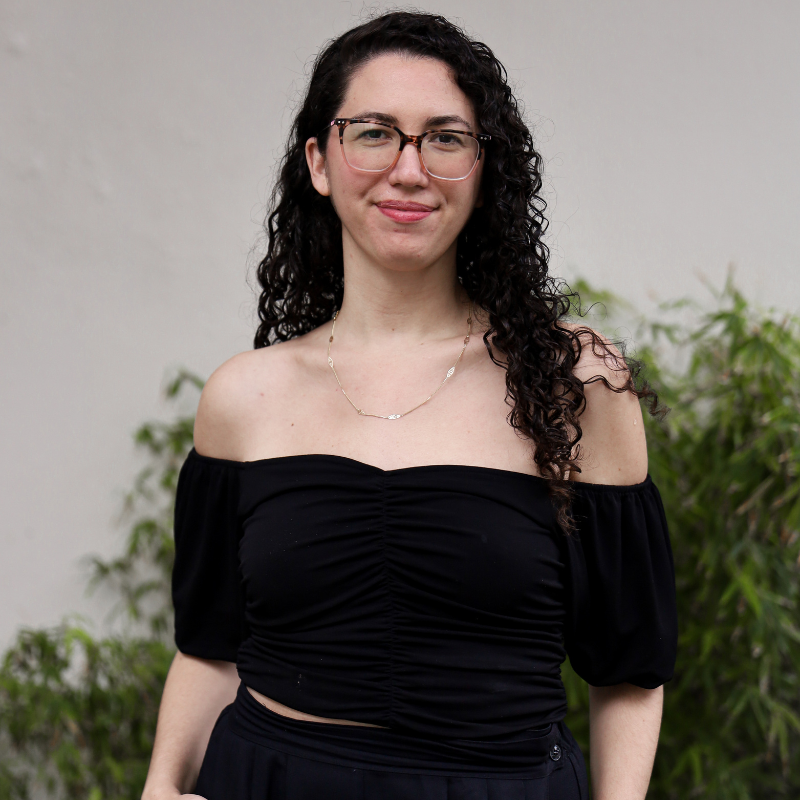
INTRO: This is part two of my interview with Cara Laban. If you did not yet listen to part one, I highly recommend you go back and do that first because it provides some really important context for this episode. If you have already part one, then please enjoy the conclusion of my interview with Cara Laban.
Matt Bowles: Cara, at this point I would love to transition and talk a little bit about your digital nomad life post pandemic. Once you have built your remote business and you are traveling again, I heard that you did a cross country road trip.
Cara Laban: So, this was not my first time doing a road trip like that because as I mentioned, we rented a jeep in Australia where we lived in a pop-up tent. So, this was similar but slightly different. I took an old SUV from my grandparents that they were going to get rid of and I turned it into a little sleeper and I totally decked it out. I had a little mattress, I put fairly lights in. I had a little kitchen setup that I would set out outside of the SUV. I would Work. I had a little desk that attached to my steering wheel. I would sit and work in there because now I could do that because I was working online.
And I drove from Massachusetts to LA through the northern route. So, I stopped in Detroit, Indiana, and I was doing a mix of sleeping in the most beautiful places you’ve ever seen, to sleeping in Planet Fitness parking lots when I couldn’t find anywhere else to stay, because sometimes you’re driving through the suburbs and you’re not going to be able to camp in a beautiful place. And that was such an interesting trip because I spent so much time alone, but I also met so many strangers who were just like, you’re sleeping in your car, come sleep at my place. And I slept on this divorcee’s kid’s bed because she didn’t have her kid that weekend. I met her at a brewery that I was having dinner at. And I was just so amazed by people’s generosity on this trip.
Matt Bowles: That is so awesome. I love that. And then you eventually got to LA, which you lived in LA for a little while as well. I also have lived in la. It was actually the last permanent base that I had before I became a digital nomad, but I was gone long before you got there. But I’m curious if you can share a little bit about your LA experience. And then I want to hear about this protest that you went to in LA and what happened at that.
Cara Laban: So, when I got to LA, I was visiting a friend and I only meant to stay a month or two, but I had got pretty sick of being in my car. My plan was to continue south and stay in my car for another, who knows how long, as long as I wanted to. But I was pretty lonely, so I decided to stay in LA until I was called elsewhere or pushed out of la, which is essentially what happened. I didn’t love LA at first. I wasn’t finding my people there. I’m an east coast girl, I’m artsy hippie, and LA isn’t that unless you know where to look. So, I did eventually find a group of people who I loved there. And I think I stayed an extra five months after I met them. And then I had some falling outs with a few different friends there, which is so unlike me. I’m not the person who has falling out with friends. And I was like, ugh, maybe it’s LA. I don’t know.
And then Roe v. Wade was overturned and I had no one to go to this protest with me. So, I went by myself and I met this other girl who was also there by herself. And we exchanged phone numbers because it’s really important if you go to a protest, especially in LA, to not be alone or to have somebody else who knows where you are. So, we exchanged numbers. She gave me her address. We’ll run back to her place if anything goes wrong. The protest was extremely peaceful during the day. We went and we got a drink together, we exchanged stories and we saw other people protesting again around 8 o’. Clock. It wasn’t super late at night, so we’re like, oh, we’ll go join them again.
So, we joined them and very quickly we noticed there was a police presence. It was not violent in any way, but they sent, we found out later, more police than there were protesters and they started kettling us onto the side street. So, there was nowhere to go because the police were just lining up. They’re throwing smoke bombs. They shot someone in front of me in the hand with a rubber bullet, which, if you don’t know, a rubber bullet is not meant to be shot directly at somebody. It’s supposed to be bounced off the. And they will do some serious damage if that’s not how it’s done. So, we’re like, what the fuck is going on? This was a peaceful protest. It’s mostly women. And they start sending people single file down to, we don’t know where. We’re assuming they’re arresting everybody, but we don’t know what’s happening.
So, we’re walking and we go up to the police with our hands up and we say, we just got here, we live close by, can we just go home? And they’re like, no. And we asked another set of police and we’re like, hands up, we don’t have anything on us, we’re not violent in any way. Can we just go home? We live nearby. No. So we’re walking and then we see everybody’s running through this parking lot with a huge fence. And my new friend, she’s my friend now, was like, let’s go, we’re going to go, we’re going to hop this fence. And I was like, what? It was a very tall fence, maybe 10ft high or something. And she was like, you’re from New York, you’ve hopped a fence. And I was like, I’m from Long Island, I’ve never hopped a fence. I’ve always been goodies of two shoes there is. And she’s like, just follow me.
So, I go after her and my jeans get stuck to the top of the fence. Because I am not protest ready. I’m not wearing angry protest clothes, because that was not my intention at all. And I get stuck. And the police have now figured out that that’s where we are. And they’re starting running at us. I was like, this is where it’s going to end. They’re going to shoot me up here. She climbs back up, helps free my pant leg, and we go and we run. We get back to her place, and shortly after this, I was like, the U.S. is fucked. LA is fucked. I need to go. And then I went to Europe.
Matt Bowles: Wow. So, you decide to leave L. A. and go to Europe. What is the plan in terms of where you’re going to land and how long you’re going to stay and where you’re going to go?
Cara Laban: There wasn’t much of a plan, if I’m being honest. One of my best friends that I met in Australia is from London. She was living in London at this time. And I said, can I stay with you? She’s like, sure, come stay. I ended up crashing on her couch for about three weeks. And then I guess I’ll go travel Europe. Now, I’ve never done that. So, you only get three months in the Schengen region. So, I did a month in England and then three months traveling all around Europe, and I had a great time.
Matt Bowles: So, in the three months that you were traveling around Europe, what were some of the best or most memorable moments from that trip?
Cara Laban: I would say my most memorable time there was my month I spent in Italy. My mom came, actually, for the first 10 days I was there. We went to Rome and Florence together, which was beautiful. And then I went to Ischia, which is an island off of Naples. And this was the first time I had really been somewhere where almost no English was spoken. Even Google Maps didn’t work there for the buses, for example. And I don’t speak any Italian. And I had to really overcome my social anxiety. I didn’t leave my Airbnb for, I think, three days. I got some groceries at the one place I could walk to, but I really didn’t go anywhere else for three days because I was so nervous to try to figure out how to get a bus ticket. And I overcame it. I remember I took a picture of when I finally bought my bus ticket, and I posted it on Instagram and I did it. I bought a bus ticket.
And I had already been in Europe for, I think, two months at this point. It was just a totally different experience being on an island where people didn’t speak English at all, but it’s a really beautiful island. It’s actually a very touristy island, but by a lot of Italians, they’ll go summer there. And I was there, I think September, October, it was after tour season, so it wasn’t super busy. But they have a nice strip of restaurants by the water. There are thermal baths. There’s a castle. I got to go walk around the castle. It’s a really beautiful place.
Matt Bowles: Well, another place that you ended up spending time after Europe that I have also not yet been is Dominican Republic. And this is a place where I have so many Dominican friends. I have heard so much about the DR I have not yet been. But you went and lived there for four months. Can you talk about the context and the background to that trip and then what your life was like in the DR?
Cara Laban: I’m actually so surprised. You’ve never been to the DR. You should absolutely go.
Matt Bowles: I know, exactly. I should. And it’s very high on my list. So, tell me about your experience there.
Cara Laban: So, where I went to school on Long Island, my university had some exchange program, or I don’t really understand what the program was, but we had a lot of Dominican students at our school on this random school in New York, not in the city, on Long Island, about an hour away. So, I became very good friends with a couple of Dominican people who did theater. And when I lived in la, his name’s Rafael, I went to go visit him for his 30th birthday. I think I spent about 10 days. And I had so much fun. His friends were so much fun. Dominican people are very fun. So, after my time in Europe, like I said, I kind of just like, wait until I’m called to go somewhere or invited by somebody to come stay with them or if they could help me connect to people. So, Rafael was like, come back to the DR and we’ll find you a place to rent. It’s pretty affordable to rent there.
So, I went back to the DR and he helped me find a place to rent with a friend of his. And I just lived there for four months. And his friend group is just so welcoming. And only about half of them spoke English, so it really incentivized me to start learning Spanish. And one of his friends happened to be a Spanish teacher from Madrid, so he was teaching me Spain Spanish. And I was like, this isn’t going to help me here, because Dominican Spanish is so different and they speak so fast and with an accent. But the Doctor is just a party, essentially, and that’s what my time there was. I was working and partying and it was a blast. The one culturally very different thing that for me was really fun and unique to experience was I lived in Santo Domingo in the colonial zone. So, it’s a very, like, old city. It’s not tall buildings or anything. It’s just colonial. It’s exactly what it sounds like. And everybody hangs out before they go out to dance at one of the bars.
And everybody hangs out at this park and it’s just a square on the street, there’s benches. You go to the little shop and you get some beer and you just stand there with your plastic cup and you drink the beer and everybody just kind of hangs out. It’s just so chill. And that is just not what it’s like at all in the States, or maybe in some part of the States, not in New York. It’s definitely not like that. So that was interesting. And then we would often go to this place called Las Terrenas, which is more of a beach town about three hours away from Santo Domingo. And we went for New Year’s and we rented this Airbnb for his whole friend group. Only about half of them spoke English. And we partied, we had a really good time. And we ended up somehow at this couple’s house. Nobody knew this couple and they had this gorgeous house and they’re like, it’s a pizza party. They had a DJ and we watched the sunrise there and I was like, where am I? What is my life? It was so fun.
Matt Bowles: That’s so amazing. I love when those travel moments unfold like that. Well, I’m curious in terms of your Spanish language, how that continued to develop because you went and ended up doing an eight-month long trip through South America, which I would love to hear about. I feel like the first thing I want to ask you about that trip is that you and I have both been to the Galapagos Islands in Ecuador. For people that have never been to the Galapagos Islands, what was your experience like there?
Cara Laban: In a word; Magical. There’s, I don’t think, any place on earth like the Galapagos Islands, mostly because of how protected it is. There’s just not a lot of people. There are a bunch of islands, but only three of them are inhabited by people. And only a small portion of the islands are inhabited by people. So, you’d go to the beach and the sea lions come up and tan next to you. They’re just right there. It is so unbelievable. I would highly recommend anybody who’s ever Considered going to the Galapagos. Go, figure it out and go. It does not need to be nearly as expensive as you think it does.
Matt Bowles: Yeah, I totally agree. I ended up going in 2017. I had some friends that hit me up and they were like, we got this discounted group situation here that you can just plug into. And we’ve got a four-night catamaran where there’s 16 people can be on it. We’ve got a block of eight spaces. We don’t know the other eight people, but they’re putting this thing together and there’s a discount. You can get in for this much, which was like way lower than it was supposed to be. And so, I was like, yes, sign me up. And it was just the most magical thing because we’re just floating around and catamaran and they limit, of course, the number of people that can come into the Galapagos Islands to protect the ecosystem. And so, at night we’re just floating around in our catamaran and we can’t even see any other boats. And we’re just watching the sunset and there’s a chef who’s cooking us fresh seafood for dinner. And I mean, it was like, what is even happening here? Where am I?
And then there’s a marine biologist who would lead our land tours each day. So, the way that the catamaran version of the Galapagos and there’s different ways that you can experience the Galapagos, but the way that we did it, we had 50% of the day would be on land. So, we had a marine biologist that was going around with us and would give us a land tour and explain things to us. And then in the afternoons we would go snorkeling and we would be in the water. And that to your point, you got sea lions swimming up to you and trying to play with you and marine iguanas coming into the water and swimming at the top and sea turtles floating around. And the animals are not even scared of humans because the ecosystem is so protected that they’ve never known to view humans as predators. And so, they just view you as, oh, want to play with me? And they’re just swimming around and playing with you. And I was just, this is the most magical place I’ve ever seen.
Cara Laban: Yeah, it was unbelievable.
Matt Bowles: Yeah. I feel like everybody in our group was just so in awe of what we were seeing, was so appreciative of it and respectful of it. And it’s such a unique ecosystem to be able to go in and have the privilege to experience Something that is unique in terms of anything I’ve ever seen in the world. So, it’s a really special place. And if you have an opportunity to go, I totally agree, it’s super special. So, in addition to the Galapagos, you traveled around Colombia, Brazil and Chile and Argentina and all these places. What were some of the other highlights of that trip for you that were really special and memorable?
Cara Laban: South America is so diverse in terms of landscape, first of all, and people, even though everyone speaks Spanish, the people from place to place are so different and the experiences you’ll have, so different. I spent about a month and a half in Ecuador and we also went to Cotopaxi. I most definitely did not try to summit it. I am not a hiker, but you could go and stay on the grounds around it. And I did horseback ride through the national park that’s over there. And that was so stunning. What a time that was. It was just a two day stay, but I could have stayed there for months. That was beautiful. And then shortly after that, I went to Rio for Carnival, which is like night and day with that kind of experience. And actually in between that, we also went to the Amazon on the Ecuadorian side. And that was amazing.
Matt Bowles: Wow. I’ve never been to the Amazon. Tell me about it. What was it like? How did you experience it?
Cara Laban: We went to this cabin; it was a group tour and you’d get in this little boat and you go up and down the river and you see these amazing birds and monkeys and you go see the crocodiles and they have caimans that look like dinosaurs. They look evil. They are scary looking. And we saw a few of those really close and we were like, oh my God, can we go? But also, if you’re out there during wet season, when the water rises, the river otters come out and those are really scary. Luckily, we’re not there for that time of year, but they take you on a night hike where you go in search of spiders and snakes. And that was really cool. We saw tarantulas, we saw all different kinds of scary spiders.
Matt Bowles: Did you see an anaconda?
Cara Laban: We looked; we didn’t find one.
Matt Bowles: Wow. Did you see any of the pink dolphins?
Cara Laban: Yes, we saw the pink dolphins. They don’t really look like dolphins. I don’t know why they’re called dolphins. They’re weird looking because you’re in this mucky water, it’s not clear water at all. And then you see these slimy pink things jumping out of the water. So weird. Really cool.
Matt Bowles: And then what was Your carnival experience in Brazil like? I did it 2015, so it was many years ago, but I will never forget carnival in Brazil. But for you, what was your experience like?
Cara Laban: I would say it was actually probably pretty tame compared to other people’s carnival experiences, but still a blast. Probably my most favorite part was picking a different outfit to wear every day. And as minimal clothes as you could get away with. That’s carnival. And just the dancing on the streets and drinking and partying and everyone’s just having a ball and it’s just a huge party. Soo fun.
Matt Bowles: That is awesome.
Cara Laban: What was your experience like?
Matt Bowles: It was amazing because there are parties on every level. You have the blocos, which you have all these different themed parties in the streets. And then you have roving parties where there’ll be like a band playing and people moving through the streets. And then you have the samba drome, which is a 90,000-seat arena, I’ll call it. It’s almost like bleachers on either side of a road where you then have this competition between the top samba schools in Brazil and a samba school, let’s just say it’s like a 5,000-person dance troupe or something like that. And they spend 364 days preparing their float and their costumes and their dance numbers. And it was just the most remarkably intricately detailed and impressive costumes and these unbelievable multi story floats. And they’re doing this dance routine where they have 90 minutes to go through the samba drome and that’s their performance. And they oftentimes have these really interesting political messages and stories that they’re telling and history that they’re invoking and all of this stuff.
And it started at about 10pm and then you have one troop go and it’s 90 minutes and the next samba school goes and it’s 90 minutes and the next one. And by the time it was 5:30 in the morning, we were like, okay, we’re getting up to leave. But there was still another one that was going to go because it goes till 7 in the morning. So, it was like 5:30 and we were getting up to leave and we realized nobody had gotten up to leave. And everyone was looking at us like, where are you going? Why would you be leaving now? Are you kidding me? And we’re like, okay, well we’ll just sit back down and continue watching for the rest. So, we stayed all the way until seven something. And then the sun is like completely up and we’re just walking home. Yeah, it was just unbelievable. I mean it was really a completely special and amazing experience that I certainly haven’t seen anything like that anywhere else in the world.
Cara Laban: No, it’s crazy. And by the way, they don’t do that just one night from 10 to 7am they do those multiple nights in a row all week. When I went, I actually went to the Champion’s Parade. So, it was after the competition because they judged the schools and then they picked the best. So, I went to the Champion’s Parade. So, it’s actually a little different because they’re not giving their all because they’ve already won. So, we didn’t end up staying for the whole thing. I think we probably left at 4am
Matt Bowles: Although I have also talked to morning people that have done Carnival and have told me the day parties, the morning parties, the daybreak parties, they get up early and they go to those and then they just go to the blocos all day long and they do this kind of stuff. So, it’s really a 24-hour thing. So whatever time you want to be on, you can get up early in the morning and there will be parties going on then and you can just party your way through it however you so choose. But yeah, it’s a super special place. I definitely recommend people do Carnival in Brazil at least once just to see what it’s like.
Cara, I also want to ask you about some of your experiences as a queer traveler in particular and navigating the world as a queer digital nomad. What has that experience has been like for you. Can you start off maybe just sharing a little bit of background and context in terms of your experience coming out as queer and then what your experience has been like traveling the world and navigating these different spaces as a queer woman.
Cara Laban: I actually had no idea I was queer until I started traveling when I was in Australia. Within the first maybe six months I was there, I realized I like women. And part of me wonders if I probably would have figured it out living in New York, but I think it would have taken me a lot longer. And I think that’s a really special thing about travel is it really gets you in touch with yourself and out of any learned patterns from your childhood, from your social circles. Because a lot of us just don’t know about ourselves. We know ourselves in that environment and we don’t know ourselves in an environment outside of that.
So, I think that’s kind of what pushed me to find myself. And I came out shortly after that and my family has mostly been pretty supportive of it. So, I was really happy with that. And I’m not an overtly queer person. I still present pretty feminine. I have long hair. I don’t dress like super-duper queer. Gay people could tell I’m gay, but generally in a place where they don’t like queer people, they probably won’t know that I’m queer. But I do my due diligence in looking to see where I’m supporting with my Taurus dollars. And also, you still do want to go support and be outwardly queer to an extent in places where it’s not necessarily legal. Because even where it’s not legal, queer people exist and it’s good to show them that, hey, queer people exist and it’s okay.
Matt Bowles: What tips would you have for queer travelers who might be at the earlier part of their travel journey in terms of thinking about safety and community and other considerations?
Cara Laban: First, I would look into how queer people are perceived in the country you’re going to. Travel Reddi actually has a section about this and most places that aren’t super queer friendly. The bigger cities are probably somewhat okay, but if you’re going to be traveling with a partner or you’re going to be going on dates, just make sure you’re not going to be arrested for PDA or anything like that. So, you do want to be a little careful. I sometimes forget to check that and to check myself. I have a girlfriend and to me it feels so normal. I forget that it’s not socially accepted everywhere to be gay. So, you do unfortunately have to remind yourself to check on the countries that you’re going to because it’s not accepted everywhere that you go. And then also my other tip is look for queer spaces. There’s an app called Everywhere is Queer that will tell you about queer owned businesses. And also, you just use TikTok, use Instagram and stuff like that to just type in. For me, I like to look for specifically sapphic or lesbian places. I’ll support gay bars as well, but especially if I know there are queer sapphic events. I love to support that because there just aren’t that many around the world.
Matt Bowles: Can you share some of your experiences finding queer spaces around the world and maybe share a beautiful moment of queer connection and joy that you can remember while traveling?
Cara Laban: I lived in Spain for three months and one of the first things I did before I even got there. Facebook is actually a great tool. I know a lot of people are like on Facebook. But there’s so many groups, expats in this place. You could just search queer people in that place. But when I was in Spain, I was in, I think an expat group and I just typed in the word queer or LGBTQ in there and a thread came up and somebody was like, we have a queer group. And it happened to be all AFAB and Sapphic people. And I was like, hey, can you invite me to your WhatsApp group? And they did. And I just had a built-in friend group as soon as I got there, which was really neat.
So definitely look for it. It exists, it’s out there. And anytime I see some sort of pride event or a queer flag on a door somewhere that maybe it’s not super accepted, I just feel so happy finding a restaurant with a pride flag or something like that and I’ll always go eat there just to show my support. All of the pride stuff at Carnival actually, like I just. It was so nice to see in a quite conservative country. Brazil is still a pretty conservative country, but not Rio necessarily. So that was really nice. I’ve been to a queer prom in Thailand pretty recently. My girlfriend and I found out about it was a Sapphic prom, specifically in Thailand and there’s not a lot of Sapphic events in Thailand. So, we definitely went and supported and it’s just, it feels so nice to be in other places around the world where you have this thing in common with the locals.
Matt Bowles: Are there any other resources or websites or communities that you can recommend to queer travelers that may be listening to this episode and we can link them up in the show notes?
Cara Laban: Yeah, I would definitely check out Everywhere is Queer. Like I mentioned, it’s an app that shows you queer owned businesses everywhere that they register. If you happen to have a queer owned business and you’re not on Everywhere is Queer, I would suggest getting on there and really just looking for communities on Facebook. That’s my biggest recommendation.
Matt Bowles: Awesome. Cara, I also want to ask you about your journey of questioning power structures and developing your principled politics of collective liberation. I have so deeply appreciated a number of your social media posts over the last year, in particular about Palestine and your support for Palestinian liberation. And I’m wondering if you can share a little bit about your personal journey in terms of growing up in New York City, Zionist, your experiences traveling to Israel and then how you eventually developed your anti-Zionist politics.
Cara Laban: I have always had this thing with authority in general. I was never the kind of person to not ask why we do this, why is it this way? Why is this the rule in any context whatsoever? In school I would get in trouble for talking back to my teachers for asking questions. And unfortunately, I didn’t do that in Hebrew school, with Zionism, with the state of Israel. And I didn’t do that because I wasn’t taught anything else it was going to Hebrew school. I went three times a week after school. The day school I went to wasn’t Jewish, but after school I went three times a week where we learned Hebrew, we learned about the history of Israel, we learned about the Holocaust. Year after year I went to a Jewish sleepaway camp, which was also a Zionist. They don’t use the word Zionist. We are taught the national anthem for Israel. We are taught the prayers.
You’re taught that Israel is home, Israel is safe, Israel is everything, it’s our homeland. And I didn’t question it because why would I? We’re not told anything else. We’re not told the horrors of what had to be done to become the state of Israel. So, I didn’t question it. And then a bit later in life, my cousin, who was not religious in any way, went on Birthright and he came home an Orthodox Jew. And I don’t have anything against Orthodox Jews. It was just a little perplexing that he came home a completely changed person from this 10-day trip to Israel. And I had been to Israel at this point. I had my bat mitzvah when I was 12. And even at this point, you don’t really notice anything weird or off unless you’re specifically visiting the west bank or you’re visiting Gaza or paying attention to the checkpoints. You don’t really notice it. And I was 12 what was I going to notice at that point?
And then later I went on Birthright with two of my cousins and we were like, okay, we’re going to pick the least religious trip there is because we don’t want to be brainwashed. And I don’t really know. I’m a little skeptical at this point. Why are we getting this free trip to Israel? Why is it totally free? And then on this trip I was like, oh, even on the least religious trip, we chose the adventure one. We did lots of whitewater rafting and rock climbing and stuff. It was the least religious trip we could choose. But even on this trip, there were people who were not raised Jewish, but their dad was Jewish. You just need to have one Jewish parent to be accepted to Birthright. And we were doing these exercises where everybody would step forward and say how they were feeling and what this experience meant to them. And people were like, I just feel so connected to this land, to this place, and I want to go home and be more Jewish. And I was like, what is happening? What do you mean? You never celebrated even Hanukkah in your life? Like, what? What do you mean you feel connected to this land? And I was like, what is this? And we had the IDF soldiers, which are on every single birthright trip. And I was like, why do we have these soldiers on our trip?
And actually, while I was there, Tel Aviv was bombed, and we had to skip Tel Aviv. We went for a couple of hours and we didn’t get to stay there. And I was like, why is Tel Aviv just casually being bombed? And why is it not that big of a deal? Okay, we’re not staying there. But, like, shouldn’t we be going home if a city is being bombed? But like, no, this is casual. This is casual every day. Go about your life. And then I was like, okay, something’s off. But I still honestly just didn’t look super into it. But I was definitely skeptical at this point.
And then only a few years after that, October 7th happened, which was a tragedy, that was absolutely awful. Everything that happened about that whole day, terrible. But then I started seeing posts about people defending Hamas, which I didn’t really know anything about. And then the more I started looking at people’s posts, I was like, okay, I must be clearly missing something, or Jews are much more hated than I thought. Because if we go back to talking about high school, Jews were not hated at all where I was from. It was cool to be Jewish.
And I actually had this conversation with a Black girl that I went to school with. I made a post about how I don’t tell people that I’m Jewish when I’m traveling. And this was before October 7th, because you never know who’s anti-Semitic and who is not, because you don’t look at me and see Jew. It’s not the same as being Black. So, this Black girl comes and she’s like, I’ve never actually considered that being Jewish wasn’t cool based on where we went to school because all of the rich and cool kids were Jewish. That’s the environment that I grew up in. I was like, people don’t hate Jews. And then seeing all of this online, I was like, okay, I’m totally missing a huge chunk of something here. And that’s kind of when I started learning about the history of Israel, the state of Israel, the creation of Israel, and it just was not what I was taught.
Matt Bowles: So, you start looking into this. How was your journey from there? How did you find trusted sources and explore that history and those politics and end up with an anti-Zionist disposition. What was that journey like for you?
Cara Laban: So, I was specifically looking for other Jewish people to listen to because if they were anti-Zionist and they were Jewish, I just trusted them more for some reason. And especially I kept finding a lot of these people were also queer. And I was like, interesting, because then you see the pink washing happening from Israeli propaganda saying, well, if you went there and you were queer, they would kill you, but here you’re safe. Tel Aviv has one of the biggest pride parades in the world. And so, they try to use these fear tactics to make you scared into supporting the state of Israel. So, I was like, oh, interesting that you hear this rhetoric that if you went to Palestine, they would kill you for being queer, but all of these queer Jewish people are pro-Palestine. They’re anti-Zionist. Why? So, I’m listening to what they’re saying, I’m learning about the books that they’ve read and the actual history of things. And it was kind of gut wrenching, honestly, and embarrassing for me. I felt embarrassed to be like, I can’t believe I just fell for this propaganda that I was taught my whole life. It didn’t feel like propaganda, but that’s the point of propaganda, that it doesn’t feel like propaganda.
Matt Bowles: In your bio that I read at the very beginning of this podcast, the language that you used to describe yourself was “a queer Jewish woman who questions power structures and believes you can honor your roots without inheriting everything that comes with them.” Can you talk about how you honor your roots without inheriting everything that comes with them, and how you currently think about that?
Cara Laban: So, I was raised much more religious than I currently am. I stopped believing in God somewhere along the way. But I consider myself Jewish. There’s a lot of Jewish values that I still hold. I enjoy celebrating a lot of the holidays in my own way. And a lot of my family is still Zionist, unfortunately. And I still love them and I still want to celebrate our Jewish history with them. And I do. But I know that I don’t have to just accept everything that we’ve been taught to value my Jewish life and to call myself Jewish because people say, oh, you can’t be Jewish and non-religious because Judaism is a religion. But it’s also, it’s an Ethnoreligion, which I know some people say, well, you know, Israel made that up to make you feel protective.
But the truth is, if I took a DNA test, it would come back like 99% Ashkenazi Jew. That’s what my DNA test would say. And that’s still my lineage that’s still my history. But I don’t have to walk around feeling like a victim all the time and using that victimhood to victimize other people. And unfortunately, I think a lot of Jewish people are taught to do that, and that’s passed down from generation to generation. And as I said, I’ve always questioned authority. I’ve always asked why, which is one of the main Jewish principles, is to ask why. It’s very different in Christianity that way, you’re always encouraged to ask why. And I’m here asking why.
Matt Bowles: Yeah. And you’re espousing the principle of “never again for anyone” when it comes to genocide. And you told me, I think also when you were young, didn’t you go also to a protest against the genocide that was happening in Darfur as well? And so, this sounds to me like you’re just coming to a congruence and a principled position that never again applies to everyone, including the Palestinians.
Cara Laban: Yeah, absolutely. And to me, it’s astounding that other people are not seeing it that way. I went to a rally in Washington D.C. in high school against the genocide in Darfur that my mom took me to. Because a genocide is wrong. That shouldn’t be a mind-blowing thing to say.
Matt Bowles: One of the other posts that you made recently that I really appreciated was about the lessons that we should all be taking from Jewish history right now in regard to the current rise of fascism in the United States and elsewhere. Can you talk about some of those lessons and some of the things that you learned that are really applicable and important to be focusing on right now?
Cara Laban: I remember one of the main things that we were taught in Hebrew school about the rise of fascism in Germany and in Europe was scapegoating and dehumanization. So scapegoating is when you blame financial or political problems on one group of people, and it’s creating a common enemy in doing so. And then the dehumanization of the Jewish people was saying, they’re animals, there are different race, they’re devils. They literally have horns. I remember my grandma telling me a story of when she was young, she was in the U.S. all of my family was in the U.S. at this time, but they were still affected by antisemitism. And my grandma told me the story about this little girl she had met when she was a little girl. And she said, but where are your horns? And she’s like, what? Just a little girl. Where are your horns? She’s like, pull your hair back and show me your horns.
And it was a way to make people complicit and complacent in feeling okay with all of these people being disappeared and killed because they’re not human. They’re the problem in society. They’re causing sicknesses, they’re causing money problems. They’re causing all of this stuff to happen. And that’s always what we were taught. And if you have any amount of critical thinking skills, you can see that’s what’s happening today in the U.S. with calling people illegals, not even calling them people. They’re just illegals, and you’re paying for them. And they’re causing our economic problems. They’re violent animals. They’re eating animals. It’s very similar rhetoric that we saw back then, which they, by the way, took that from slave catchers back here in the U.S. Germany took that from the U.S. so it’s like history is just repeating itself again and again. And here we are looking at people in cages because they’re being called animals, because they’re being used as scapegoats. And I just think if you are falling for the propaganda today and supporting ice, you probably would have supported the Nazi party back then.
Matt Bowles: Mike drop. I think that is really, really important. And I want to encourage everybody to reflect on that and spend some time with that, because I really appreciate you sharing that. And that’s really important for all of us to focus on as we each think about how we can contribute in this particular historical moment to rise and stand in solidarity with vulnerable groups that are being targeted and stand up to meet this moment that we are in, which is certainly happening in the United States. It’s also happening in a lot of other places around the world. There’s a lot of stuff going on.
At the same time, I feel like traveling also gives us that opportunity to make these connections between the rise of fascism in the United States and where fascism is rising in other places around the world. And how is this domestic policy connected with the foreign policy that we just talked about in terms of the US Supporting the genocide in Palestine and other things around the world? So, I feel like travel gives us an opportunity as well to make some of those solidarity connections and inform ourselves about these different struggles and how we can best stand in solidarity with them as we move through the world.
Carol, when you think back about all of the travel that you have now done, how do you think all of this travel has impacted you as a person?
Cara Laban: I think it has really reinforced that personality trait that I mentioned. Of being so willing to ask why and look at the different cultures and ask the people, why do you do this? And not in a rude way, just really trying to understand why things are the way they are in that country and just learning about different people and different foods, different cultures, it really just changes your way of thinking. So, I could understand why people who don’t travel are so close minded. I could see what they’re being sold. And I think it’s really important for people to go see the world so that they understand and they get different perspectives.
Matt Bowles: For people that are newer to the digital nomad life or maybe are aspiring to become digital nomads and start traveling the world and working remotely or running their own business or things like that. Can you share a little bit also about the community dynamics, what you have found as a woman, as a queer person, in terms of navigating some of the patriarchal dynamics that exist in some of the digital nomad spaces and how you think about the concept of community as a digital nomad and any tips you might have for people in doing that.
Cara Laban: The digital nomad space is definitely run by men, unfortunately. If you’re in any digital nomad group that’s not specifically for women, you will see you ask a question and the men are. They’re mean, they’re rude, they’ll mansplain anything to you. They will mansplain anything. How to book a flight. It’s crazy, but in real life I actually haven’t noticed it so much because I’m so, so quick to surround myself with like-minded people. I really gravitate towards befriending women and queer people that I don’t really notice it. So, when I do end up in a place, I’ve been to conferences that are very male centered and I’m like, wow, I do not fit in here. Whoa. But it also just makes me want to be even more successful in the space so that there are more powerful women with voices that are respected more than the men in the space. And it really lights a fire under my ass.
Matt Bowles: And let’s also use this opportunity to give a shout out to Hannah Dixon’s amazing Rainbow Remote community. We will link that up in the show notes for LGBTQIA+ travelers and allies are also welcome. I am a member of the community and try to participate in as many events as I can as an ally. And I have met some amazing people through that community. So highly recommend Rainbow Remote and we will link that up in the show notes as well for folks to check that out. Cara, I’m also curious now that you have been traveling for so many years and you’ve done so many different types of travel. You’ve been in periods of your life where you’ve been traveling very quickly and moving quite swiftly. You’ve done slower travel; you’ve been itinerant without a base. You’ve had a base and you’ve done different things. At this point in your life, how are you choosing to structure your digital nomad and your travel life? What is your optimal lifestyle design at this point?
Cara Laban: At this point, I have a base in New York now, which I did not see for myself. People kept asking, like, will you ever come back to New York? And I was like, no, it’s too expensive. And I just like, I don’t see myself having a base. But my little brother said something to me when I was traveling South America and I was traveling very quickly, and he said, I could see that we differ. You value experiences and I value community because I suggested he go on a trip or something. And that’s what he said to me. And I was like, wait a second, I value community. I definitely value community. And I realized I was not nurturing my communities, traveling so quickly. And I realized I didn’t want to travel like that anymore.
So, I came back to New York where my family was. My other brother had a baby last year, she’s a year old now. And I realized I do want to spend time and nurture my communities back in New York because I went to high school there, I went to college there, and my family is there. And these are people who have loved and supported me through absolutely everything thing. And I want to have those relationships in my life. I’m also blessed to still have three living grandparents who are all in their 90s, so I want to be near them. But I also know I do not want to be in the States full time. I do not want to be in New York full time. So, I’m loving having a base where I could leave for a month and come back and leave my stuff. I was like, oh my God, this is so nice. I just packed one small suitcase and I don’t have to ask people to store stuff in their basement or whatever. So, it’s nice having a base and also being able to pack up and go whenever I want.
Matt Bowles: Well, I’m also wondering if you can share some of the travel hacks that you have learned and cultivated over the years. It seems that you are doing a lot of flying around the world on flights that you’re not paying for. And I’m wondering if you can share some of the techniques that you’ve used to travel more affordably and any other hacks that you may put people onto.
Cara Laban: Well, my first hack was not living in New York for as long as I did because people kept saying to me, how do you afford to travel this much? I’m like, it is significantly cheaper than living in New York and I need you to understand that moving all the time and living in more affordable places, it’s a hack. And then beyond that, I started getting into credit card point churning, travel hacking and I started learning how to like responsibly because you have to be responsible with the credit lines that you get. So, you open a new credit card, you get the signup bonus and then you do it again and you get a signup bonus and then you could book flights on points, you could book hotels on points. I’ve been able to stay in these luxurious five-star hotels for free, which I never, ever would have done. I was living in a 10-bed dorm in Australia for four months, if you remember. So, it has totally changed me to be able to do this. And you know what, credit card companies, they are predatory. I know that they are predators with the way credit cards are set up. But I was like, if I could do this right, I don’t pay anything extra and I’m taking advantage of them. And if you do it right, your credit doesn’t go down, you don’t get in debt, you don’t pay any interest and you get to travel for free.
Matt Bowles: Cara, let me ask you one more question and then we’ll wrap this up and move into The Lightning Round. Why are you so passionate about continuing to travel? What does travel mean to you today?
Cara Laban: I just think it’s so important to get different perspectives from different people around the world to see different places, different landscapes and you can’t get that sitting in one place. So even though I’ve been a lot of places, there’s still so many places I haven’t been to. There are still so many people I haven’t met, so many cultures I haven’t experienced and I want to keep doing that.
Matt Bowles: Well, I think that is the perfect place to end the main portion of this interview. And at this point, Cara, are you ready to move in to The Lightning Round?
Cara Laban: Yes. Let’s do it.
Matt Bowles: Let’s do it. All right. What is one book that you would recommend that people should, should read?
Cara Laban: The Diary of Anne Frank.
Matt Bowles: That is a really good recommendation. Who is one person currently alive today that you’ve never met that you’d most love to have dinner with. Just you and that person for an evening of dinner and conversation.
Cara Laban: This probably sounds so silly, but Ilana Glazer, do you know who she is?
Matt Bowles: I do, yes. But tell everyone who she is if they don’t know her.
Cara Laban: I actually, I think they are they/them now, non-binary. Ilana Glaser is a Jewish comedian from Long Island who I just feel like has a very similar upbringing to me. And I always just felt like we would be really good friends if we could meet. So, I would love to see if that was true.
Matt Bowles: Ilana Glaser is amazing and I feel like since you’re based in New York, that’s definitely a possibility. So that is an awesome pick. All right, Cara, knowing everything you know now, if you could go back in time and give one piece of advice to your 18-year-old self, what would you say to 18-year-old Cara?
Cara Laban: I would tell myself to chill the fuck out and relax. I had mentioned I was in college. I was doing all this stuff. I was not a partier. I took everything so seriously. I took my grades so seriously. I took life so seriously. My parents were going through a divorce and it took a toll on me. But if I could just say go to a party and have fun and just chill, that’s what I would say.
Matt Bowles: All right. Of all the places that you have now traveled, what are three of your favorite destinations you would most recommend? Other should definitely check out.
Cara Laban: I would say the west coast and the northern parts of Australia. Which are the least visited parts of Australia? Thailand. I love Thailand. And because a lot of people don’t ever consider going there. Antwerp in Belgium.
Matt Bowles: What struck you about Antwerp that made it to the top of the list?
Cara Laban: It was one of the first places I went in Europe that I was just expecting. I don’t know, I didn’t really have any expectations and it was just this cool, hip city that it was one of the first places outside of Australia where I was like, I could live here. I don’t know why. Beyond that I was just like, this is really cool.
Matt Bowles: That’s awesome. All right, what are your top three bucket list destinations? Places you have not yet been highest on your list you’d most love to see.
Cara Laban: I haven’t been anywhere in Africa, so literally anywhere in Africa is on my bucket list. I recently went to Hong Kong and I never had interest in going to China, but now I do. And because on my South America trip I left early Peru I didn’t make it to Peru, so I got to get back there. I’ve heard great things.
Matt Bowles: Awesome list. I love that. All right, Cara, at this point, I want you to let folks know how they can find you, follow you on social media and let them know once again how they can try Travel Reddi for Free.
Cara Laban: So, I am everywhere, all over social media as my name, Caro Laban, Instagram, TikTok, LinkedIn, Facebook, whichever you use, I’m there. And to try out Travel Reddi for Free, which I would so love. If you did, go to travelreddi.com/maverick and you could be one of my first beta users and help me create this, the travel platform of your dreams.
Matt Bowles: It is such an awesome platform. We are going to link that up in the show notes as well as all the ways to find and follow and connect with Cara and everything else that we have discussed in this episode. It’s all going to be at one place. Just go to themaverickshow.com and go to the show notes for this episode. Cara, I think you are amazing. Thank you so much for coming on the show.
Cara Laban: Thank you so much, Matt. This was so much fun. This is stuff I don’t get to talk about every day, so I really appreciate those question questions.
Matt Bowles: All right, good night, everybody.