Matt Bowles: My guest today is Nora Dunn, AKA The Professional Hobo. Nora sold everything she owned, including a busy financial planning practice to travel the world back in 2006. She has enjoyed a travel lifestyle ever since and is considered one of the original digital nomads. And lifestyle travel bloggers specializing, in slow travel. She has lived in and traveled through over 75 countries while working remotely. She combines her expertise as a former certified financial planner with her lifestyle travel experience to teach people how to travel long term in a financially sustainable way. She gives people confidence to travel long term by helping them set everything up in the best possible way for them from finances to career, to logistics and beyond. She does this with instructional and inspirational content on her website, YouTube channels, Personal consulting services, books, speaking, and more. She has been featured in Forbes, Condé Nast Traveler, Business Insider, Lonely Planet, the Digital Nomads for Dummies book, and the list goes on.
Nora, welcome to the show.
Nora Dunn: Thank you, Matt. It is a pleasure to be here.
Matt Bowles: Well, it is a pleasure to have you back on the show for anybody that did not hear your first appearance on The Maverick show. That was episode 136 and I highly recommend people go back and listen to that one first. Because first of all, we go through your entire travel journey and here’s some incredible stories, but also you give people tips, such as five different ways that you’ve gotten free accommodations around the world, saved a hundred thousand dollars on accommodations over your travels and all sorts of incredible stuff like that.
So, for folks that want to learn all of that and get their backstory, start with episode 136.
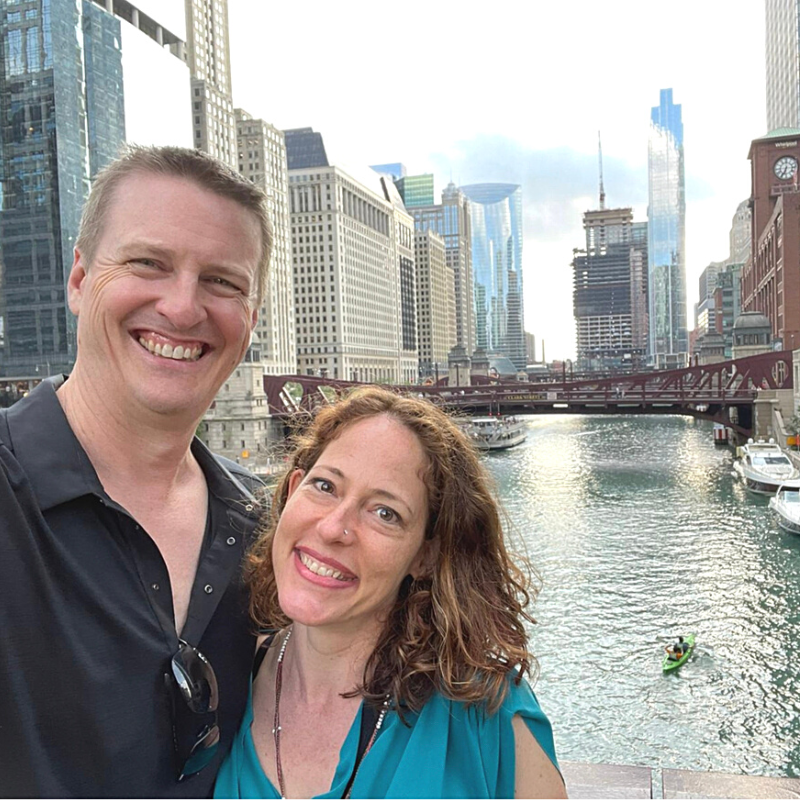
This episode, I want to pick up where we left off. off since the last interview. And before we do that, I think we need to just start by setting the scene, talking about where we are doing this interview from today and the fact that we are in person, and we have just opened an incredible bottle of Pinot Noir from the Willamette Valley in Oregon where you and I two years ago, we’re also in person tasting wine together.
Nora Dunn: That’s right. There is so much poetry to this moment. It’s quite ridiculous, actually.
Matt Bowles: There is a lot of poetry to this moment. We are actually sitting today in Indianapolis, Indiana, and we just attended the VeeCon conference, which is an annual conference that is put on by Gary Vaynerchuk for people that are holders of his VeeFriends NFT, of which you and I are both holders.
And so, we met up here for the VeeCon conference, which just ended. What was your experience like? Any highlights or takeaways from the conference?
Nora Dunn: You know, this ain’t my first rodeo when it comes to social get togethers that have to do with web three and have to do with being an NFT holder. So, this is certainly the biggest event that I have attended by far.
VeeFriends in particular, but also any kind of NFT style conference. But the underlying theme of all of the events that I have been to is really that there is a great sense of community when people have this underlying commonality. And that is that we are all holders of a NFT and buying into an NFT means, depending on the project, you are buying into a vision that somebody has of a future that they’re creating in Gary Vaynerchuk’s case he’s creating an IP that he is planning to make his lifetime legacy. This is what will surpass him when he is long gone. And so, to invest, to have invested in a VeeFriend is to be a part of this project and to be a part of this vision, to be on board with what he’s all about. And the project in itself.
And I think VeeFriends is a really cool project. I think he’s developing this amazing cast of characters. I mean, if Walt Disney designed his characters, was it a hundred or something years ago? They’re kind of out of date now. So, we need some characters that are up with the times and that can help children establish some really good values and rules to live by, help adults for this matter.
Developed some rules to live by as well, and these characters are fun, and they will be entertaining, I believe, for children and adults. Anyway, all of this to say, anyone who was at this conference was an investor in this project, so we all had that in common, which created an underlying tapestry of connection.
Matt Bowles: Can you talk a little bit, also, about the way that you have built community through your NFT holding emberships and connections outside of this conference because you and I also hold a world of women NFT. And between world of women and VeeFriends, you have really, I think developed some incredible connections, met some incredible people, had some incredible experiences.
Can you talk about some examples of that over the last couple of years?
Nora Dunn: So, for the last few years I’ve had a home base in Toronto, although admittedly I’m kind of never there, but when I am there, there are occasionally events that are taking place and Toronto being as cosmopolitan as it is, there are groups of people that are able to host these events.
So, world of women was the first community inspired event that I went to in Toronto and it was a fairly small event. There were maybe 30 of us there and it was just an outdoor venue and there were drinks and appetizers provided. And it was just really interesting to meet this very diverse group of people.
But again, we all had in common this vision of investing in the world of women. And it was interesting to talk to people about their various reasons for investing in world of women. And for me, dipping my toe into this world as my first event that I had attended, I also realized that these waters ran deep.
So, at this event, I met all kinds of people who are into the VeeFriends community, including one guy who is the mascot of VeeFriends Canada. VeeFriends Canada, there’s 200 members or something of this WhatsApp group alone. And he is the supreme leader of them all. I mean, he brings people together. He’s amazing.
He’s this wonderful person who just has this amazing ability to bring people together in various ways. And he’s so personable and he knows you. And so, I met him there and then I met him again, along with a few other of the people that I met in Toronto six months ago at another wow event, which was a gala in Miami.
Again, I just happened to be there, but I had really good timing and that was another great event. I also made some interesting business connections. I met someone who ended up hiring me for consulting services because he was designing his life to travel long term. So, you never know who you’re going to meet at these kinds of events and how they might come into play in other areas of your life over time.
Matt Bowles: Yeah, and you’ll go to these conferences that you tell me about because you go to these content creation conferences, you go to these travel conferences, and you are running into people at those conferences that are also holders of some of these NFTs. And so now you’re seeing those people at this conference that you met at another conference.
And it’s just the way that this stuff is overlapping has just been really fun and remarkable.
Nora Dunn: And it’s kind of like a secret handshake thing. These people that I knew from this creator conference, I knew that they had VeeFriends as well. It’s like, oh, you’ve got a VeeFriends. It’s like we’re in a secret club together.
There’s nothing secret about it. And it’s not really a club, but at the same time, there is something cool about being able to invest in this vision. together.
Matt Bowles: There really is. So, let’s talk a little bit about what has happened since the last time that I interviewed you, which was just about almost two years ago.
And when we did the last interview, I will just set this context that you and I had never met each other in person. We did the interview virtually, and then you interviewed me. As well on your show virtually. So, we had never met each other as of a couple of years ago when we did that interview since then.
Do you want to share how things have evolved? Because obviously we’re sitting together now, so we’ve clearly met each other.
Nora Dunn: Yeah, not a word of a lie. Matt Bowles, you have changed my life. In a lot of different ways, but if we were to tell the story properly, so we did the mutual interviews and obviously we had a really good time.
I think all anyone needs to do is to listen to either one of our shows to see that we had a really great time riffing on the digital nomad lifestyle and anything else under the sun. What came out in one of these interviews is that we also shared a great love of train travel. So, you, at one point, sent me this sale, Amtrak was having a sale that was a month-long pass for any train on Amtrak.
And I said, that’s not the way to go. That pass is only for economy travel. You do not want to do a long-distance train route like this on a coach. You’ll want to get a sleeper class. And you replied to me, well, we’re What are some of your top routes? And I think you sent me another article that was like the top long distance Amtrak routes.
And I said, well, I think if I were to choose, I would say this one or this one or this one. You said, great, let’s do them. And I said, what? And you said, let’s do them. We’ll do them all. We can connect them, and we can go from Chicago to Seattle and then Seattle down to LA and then LA to New Orleans. We can do the whole thing.
We’ll do a whole route. And I was like, I was just kind of thinking of doing one, but you’re like, Nora, you’re The Professional Hobo. You travel by train. You have to do this. I was like, Oh man. Okay. I guess I have to do it. And so, we did, you and I planned out this trip where we circumnavigated the United States by train over the period of about a month.
And we’d never met a person.
Matt Bowles: Yes. And so, for context, you literally wrote the book you have a published book, Tale of Trains, which has some of the most incredible train stories from around the world. For example, you took the world’s longest train ride from Lisbon to Saigon, which you did in 30 days and then you’ve ridden on the most luxurious train in the world, the Deccan Odyssey in India.
And you have had all of these training experiences, which we talked about in the previous episode. So, you should go and listen to some of those stories on episode 136. But having just heard those stories, I was inspired that if I was to take a long-distance train trip around the United States, which I had never done before, I’d only take the short Amtrak commuter routes, DC to New York type of thing.
I was like, who else would I rather travel with than the professional hobo who literally wrote the book on train travels. I was like, how about we go and do an epic train ride, and we take a month, and we just work remotely while we’re traveling around the United States on a train.
Nora Dunn: That was one of the really refreshing things. Cause I remember once we had agreed that we were doing this and then we were kind of setting out dates and figuring out how the pace of the trip would go. I said, Matt, here’s the deal. I can’t just take this time off to do this trip. I need to work along the way. And you were like, Nora, I’m a digital nomad, too.
We will definitely do this. And we did. We built in, we had this amazing pace of travel. We worked and we traveled. I mean, on the train, it was really more just the experience of being on the train, but then we would go somewhere, and we’d stay there for a few days and we would have a balance of working as well as doing a little bit of sightseeing in that area before getting on the next train.
And it was so refreshing for me for once. At that time, 15 years of being a career traveler, I actually be traveling with someone who gets that this is not a vacation and that there is a balance to be had between working remotely while traveling.
Matt Bowles: Well, and I knew that about you just based on the research that I had done in the interview that I had done with you, that you would be an ideal travel partner in general and particularly for a long-term train ride.
And we’d committed to doing a month-long train trip around the United States before ever meeting each other in person. And I think that also says something about the commonality of our adventurous spirit and our willingness to just say yes to things.
Nora Dunn: So, people did not think that I was necessarily making the right decision and doing this trip.
They’re like, you’re doing what? I’m like, I’m going from Chicago to Seattle to LA to New Orleans all by train. With this guy, Matt, I’ve never met him before. They’re like, wait, you’ve never met him before. And you’re doing this trip. Yeah. It’s going to be great. They’re like, well, I guess if it doesn’t work out, you could always just get off the train partway through.
And I’m like, screw that. I’m not getting off the train. You know how much money I spent on this ride? We’re going to make this work.
Matt Bowles: Turns out it was quite effortless and there wasn’t a lot of work in terms of making it work. Cause we had an absolute blast the entire time. And it was amazing. What were some of the highlights?
And maybe we’ll take it stop by stop in terms of where we went because we began, and we agreed that we would meet in Chicago. And then the first leg of the train would be Chicago to Seattle, but we would meet in Chicago and spend a little bit of time in Chicago before boarding the train.
Nora Dunn: Yes, absolutely.
And for anyone who likes to read, I did write a four-part series about this trip that we did covering many of the nuances of what it was like to travel by train a by train with a stranger B and by train, long distance trains through the States, which people have a lot of misconceptions about Amtrak.
And actually, you were one of them because you were like, I’ll have been those, these crappy little commuter trains. Like you want to spend days on a train door. Like, are you sure? I’m like, trust me, trust me. If you get the sleeper class, it’s all good.
Matt Bowles: Yeah. I’m like, they have trains in the United States where they have tablecloths on the table and to make your French toast for breakfast.
And this I’m like, I didn’t realize that we had that in the U.S. I do that stuff around the world. And I love it, but the only trains I had been on in the U.S. were these commuter trains. So yeah, long distance trains, whole different ballgame.
Nora Dunn: Absolutely, and I will give you some links to that series for anyone who wants to read about this particular four-part series. But we met in Chicago, and the first thing we did was deep-dish pizza.
Matt Bowles: Yes, of course.
Nora Dunn: And it was my first deep dish pizza. So, this was an experience and that was amazing. We walked by the river, and we had wine, good wine too, a few times. And we had the deep-dish pizza twice. We had two nights in Chicago. So, we had two chances to have deep-dish pizza.
Matt Bowles: We did. And I introduced you to some of my crew from my Remote Year program. I had done a program called Remote Year, which for folks that don’t know is a 12-month work travel program where Remote Year, the company arranges this 12-month itinerary, and you travel the world with the same community of remote professionals for the entire year.
And so, I did this back in 2016. My program ended in 2017. I’ve been traveling the world ever since. And the people that were on the program with me now, of course, live in all different places around the world. And it happened at that time, when we were in Chicago, there were four of my very good friends from Remote Year who happened also to be in Chicago at that moment.
And so, we were able to set up a dinner and go and hang out with other travelers.
Nora Dunn: That was an epic night. And when I say that you changed my life, Matt, this is one of those ways. It was an informative night. Not only did we laugh. our asses off. I mean, that goes down in the history books for me of the longest sustained period of time where I could not stop laughing.
The stories that came out of this group were insane, but that was also not the only time on our train trip that we met some of your Remote Year alumni. And I realized through doing this trip with you and then through subsequent conversations that I have with you, that you had this really epic, worldwide network of amazing people who have traveled lifestyles and remote careers that you could connect with in any place at any time and in so many different ways. And many of these people you met through programs like Remote Year.
Matt Bowles: Yeah, absolutely. We went out to Seattle. Once we got on the Chicago train, we went to Seattle and met with some more remote people there. And then we went down to LA and while we were there, we met with, other nomads that I knew from different things as well.
There were folks that I knew from the Nomad Cruise. I was bringing all of these different folks out in sort of each city that we landed in. There were travelers there that you got to meet and was great for me to see again. And we just had a blast connecting with people.
Nora Dunn: Not only that, but I remember when you interviewed me. I guess I was platforming this thesis that I had. The digital nomad lifestyle in general has a shelf life of about 10 years. And you were eight years at that point. You said, Nora, I’m closing in on eight years as a digital nomad. Are you telling me that in two years I’m going to be done? And I said, well, I don’t know.
I came off the road after 12 years. I had a bit of travel lifestyle burnout, and I went and changed how I lived and traveled around the world. I got a home base. And I said, I don’t know. I had a lot of colleagues. They all came off the road around 10 years, but none of those colleagues and myself included had experienced any of these co living co working programs.
I know this is a bit of a tangent, but this is an important thing to say because of your whole style of traveling the world was so different from mine that meeting you and doing this trip with you, spending this time with you, meeting the people that I met along the way on this trip helped me to redesign my own travel lifestyle.
Even 17 years on the road, I am currently traveling the world in a whole new way. And I’m sure we will get to that, but I want to put that out as a bit of a teaser that there are so many different ways to do it and some of these programs that you had participated in. Not only did it help to show me that there’s another way to live and travel around the world, but also that was one of the reasons why we traveled so well together.
Because you are accustomed to living and traveling and spending time with other people who have this lifestyle, and you’ve got it dialed in.
Matt Bowles: The thing that’s so amazing about some of these programs is not just the experience while you’re on the program, which for me was a very important element of it.
To have a constant community surrounding you so that you have people to get hugs from and you have people to go have adventures with and do fun stuff with and all of that. But then you’re also meeting people who are living this lifestyle. So, after the program ends, now your network of digital nomads is expansive.
And anytime you want to go on a trip, you’d be just like, hey, who wants to go and travel here and do this and go post up here for a month. So, for example, you met Tiffany Green that night in Chicago, Tiffany Green has been interviewed on The Maverick show. Maverick show listeners know Tiffany. And I did an interview with Tiffany.
In Lagos, Nigeria. So, Tiffany was on my Remote Year program. She did the whole year with me. And then after the program ended, I remembered that she and I had a conversation on the program about wanting to go to Nigeria. So, I was thinking I want to go to Nigeria. Who would I want to go with? And I just hit her up.
Hey Tiffany, want to go to Nigeria for a month with me and post up in Lagos? She’s like, hell yeah, let’s go. And so, we went. And that’s where I did the interview. But these are the types of people that you meet. And then those relationships go on. So, you can continue to have this incredible community of people to travel with and meet up with around the world, either because you’re going to where they happen to be, which was the case in Chicago and Seattle and LA and so forth.
Or because you just hit them up and then you’d go on a trip together.
Nora Dunn: And I’d just like to juxtapose that with what the previous 15 years had been like for me on the road. So, in 2006, when I sold everything that I owned to travel the world. Words like digital nomad, remote work, location independent, these didn’t even exist.
These were not even ideas, much less concepts, much less words, much less were there communities or products or services or tools to help people who wanted to do these kinds of things. Although I’m sure I was not the only person in the world to be doing this at the time. I sure felt that way, as did anyone else who was doing this.
And we were all left to our own devices to figure everything out the hard way. Now, in 2006, my mission was to live around the world. I wanted to crack the code of countries and cultures around the world. I wanted to break bread around dinner tables around the world. I wanted to understand how people live, work, think, feel, shop, cook, play, and more.
So that’s exactly what I did over those years. I have zero regrets; however, it came at a cost because I was living so locally in all the places that I went. I was always the odd man out. Nobody understood that I wasn’t on vacation. One of the greatest misconceptions of the travel lifestyle is that it is the same as vacation because until recent years when people traveled, the only way that they did it was on vacation and that’s not the case anymore.
So, nobody understood that I wasn’t on vacation. Nobody understood my cadence of travel and my pace of travel. And the fact that if I’m working full time, I’m going to be discovering at a much different pace. Nobody understood that time on my laptop is paying the bills and not playing games. So, I was constantly all the time swimming against this stream of misconceptions. And it wore me down.
Basically, everything came to a crashing halt for me somewhere in India, which some would argue is a good place to question your life choices. Other people would argue is not a good place to question your life choices. Regardless, I was questioning my life choices in India, and I found myself realizing that I had just lost all sense of belonging in the world.
So, I realized at that time as well, this was what I refer to now as travel lifestyle burnout. I needed my people. So, I went back to Canada to get a place thinking Canada is my people. I was thinking I was looking for a cultural sense of belonging. Turns out Canada is not my people. Canada’s not, not my people, but it’s not the people that I was looking for.
I was looking for people who had a travel lifestyle and work remotely. So, I didn’t realize that at the time. It was a process that I had to discover along the way because I got the place in Canada. I realized, oh, this isn’t quite right either. Shortly after that, Coronavirus happened. And then shortly after that, I met you and started traveling with you.
So, you were part of this process of me discovering that there are different ways to travel around the world and experience the world that also, I want to be clear about the fact that participating in co living and co working programs and hanging out with other people who have traveled lifestyles does not need to preclude integrating locally with the communities that you’re visiting. Because there is a fine line between appreciation and exploitation.
And so there’s a lot of people who will travel the world and not integrate and will only stay very much on the surface in expat communities or with other digital nomads and to each their own. They all have their own style. But for me of course the MO was always to go deep, and you can do that, but you can still do that in the company of other people who share the same lifestyle as you. And that was one of the things that you showed me.
Matt Bowles: And you have started living that life. Do you want to talk about what you are up to later this year?
Nora Dunn: This year, I deemed 2023 the year of experimentation, and I wanted to experiment with this new way of living. I wanted to experiment specifically with co living. And co living, co working programs. So, I opened up the year in January in Madera, living in a co living space for a month.
And a co living space for anyone who’s not familiar, it could be like a repurposed boutique hotel or it could be a big house or apartment with lots of rooms. Generally speaking, the ingredients are everyone has their own room. It’ll definitely vary depending on the place in the program as to whether or not what the amenities will be, but you have your own space.
And then you also share common area spaces also because it is designed for remote workers. There’s going to be some of the infrastructure that we need, like good internet and some kind of coworking space, but basically, you’re able to live and work and then consequently travel with other people who have the same lifestyle.
Matt Bowles: I have interviewed Gonçalo Hall on The Maverick Show, who founded the Nomad Village in Madeira Island, which is a Portuguese island. I have actually not been there in person, but can you talk a little bit about your experience there?
Nora Dunn: So, I went there basically because of the community that Gonzalo had built.
Again, being on the mission this year to experience these kinds of digital nomad communities and co living and co working programs, I’d heard great things about Madeira. Now he has built the nomad community in Ponta do Sol. Which was a town that had during the pandemic, especially really just fallen on hard times, but even prior to the pandemic, they had experienced this mass migration.
There were no jobs for young people. So, people were moving away, not only from that town, but quite frankly, from the island. And then the pandemic hit, and tourism was really the only thing keeping that town alive. And then it just cratered. So, he came to the island and decided that he wanted to throw some opportunities.
In that way, he saw the opportunity to develop a digital nomad community, and he really did it very thoughtfully and intentionally. He did it with the government. He did it with the local businesses. He helped create the infrastructure that would be welcoming for digital nomads, and that would be able to provide visiting digital nomads with what they needed.
And basically, he built it and then the people came. If you build it, they will come and they did. And they still are. And it is an amazing community. Now I actually chose to stay in Funchal, but by this point, the entire island of Madeira is a digital nomad community, and you can tap into all kinds of events and groups and themed nights and workouts.
And every single day of the week there is something happening and there’s amazing hiking Madeira as an island. Even without the digital nomad community. It’s amazing. It is absolutely gorgeous. It is the warmest place in Europe in winter. It is part of Portugal, but it is ostensibly off the coast of Africa.
So, it is quite warm. It’s temperate year-round. Never too hot, never too cold. For a very small island, they have over 2, 000 miles of hiking trails that go right into snowcapped mountains and right down to the most beautiful cliffs and gorges and all the things. It’s gorgeous. So, it ticked all the boxes for me.
It has, the cities have that oldie worldie European charm. The food is amazing, and the culture is incredible. The hiking is epic and there’s a digital nomad community there. So not only did I spend the month of January there, but I will be going back there in a couple of months in August. I liked it that much.
But between now and then I will be going to, I’m going to spend another month in Bansko Bulgaria where you and I actually met up again last year because of the Bansko Nomad Fest.
Matt Bowles: Yes, we were both speaking at the Bansko Nomad Fest. You brought the house down with your keynote there and we hung out with all kinds of really fun and amazing people there.
I interviewed a number of people on the Maverick show from the Bansko Nomad Fest. We recorded the interviews in Bulgaria. So, folks that have been listening to the show for a year will have certainly heard some of those and chatted about that.
So, you’re going back this year for another month in Bulgaria.
Nora Dunn: Yep. I’m going to go back for another month and then I’m going to do a month in Madeira and then drum roll, please. I’m going to do a month with Hacker Paradise in Estonia.
Matt Bowles: For folks that don’t know, Hacker Paradise is another international work travel program that brings the community together and plans your accommodations and co working space and all that kind of stuff around the world.
I have also patronized Hacker Paradise. I’ve been with them in Korea, in Japan, in Vietnam, and you are going, tell a little bit about the experience that you’re going to have.
Nora Dunn: So, first of all, as a program, so this will be my first. co living, co working program. So, if the first experience that I had at the beginning of this year in Madiera was co living, that was really it.
I paid for the accommodation and in the course of one month, I shared living space with an amazing group of people who came through. There were people from all over the world. We were sharing the co living. commonary spaces, cooking meals together and people from everywhere. It was an amazing cultural exchange in itself.
And then we could leave the co living space and have a whole other cultural experience together in this foreign land to all of us. So, Hacker Paradise by contrast is a co living slash co working program. So, this is like co living leveled up because you pay one fee, and you show up and that’s really basically all you have to do.
So, they arrange a place to live. They arrange for co working space. They hook you up with random things like local SIM cards and activities and workshops. And they’re really big on creating a community of people. So, you will live and work with these people in this one location. Now this place in Tallinn, Estonia has so much poetry.
I’m going to be living inside a refurbished sea container, inside a railway depot
Matt Bowles: That’s amazing.
Nora Dunn: In Tallinn, Estonia. And I’m going to be sharing this month with up to 20 other people. Again, we all have remote careers and travel lifestyles, and we will all be experiencing Estonia together in this way. As well as doing things like skill sharing and workshops and the inherent networking that comes with hanging out with a bunch of likeminded people.
Matt Bowles: And Hacker Paradise, similar to Remote Year, the people that I met on Hacker Paradise, I am still hanging out with as recently as a couple of months ago, Maverick Show listeners know Dani Dirks, for example, who I interviewed on the show. She was working for Hacker Paradise when I did it. She was the program lead on my very first ever Hacker Paradise month in Da Nang, Vietnam.
She is one of my closest friends to this day. We just spent five months together in Africa. We spent New Year’s Eve together in Ghana. And she met me for my birthday in the wine country of Portugal last year. Some of my nearest and dearest and most wonderful friends. I have also met on Hacker Paradise, similar types of situations.
So, I’m super excited for that trip. And then after that, what are you doing, Nora?
Nora Dunn: So, from there, I go back to Toronto for one month. In the next 12 months, I just want to take a step back here and say that I have the next 12 months of my life planned out right down to all the airfares. I have never in my life had so much travel booked in advance, but it’s because of these programs that I am and will be doing.
So, for these 12 months, Toronto. So that gives you an idea of just how much I’m in this home base that I speak of. I’m going to repack, and I am going to leave again for a four-month Remote Year experience through Africa.
Matt Bowles: Which I just completed in the beginning of 2023. I did their first ever all Africa itineraries. So, this was my second Remote Year program ever. I did the first one as a 12-month program in 2016. At the time, all they offered was a 12-month program. Hence the name Remote Year.
Subsequently, they have expanded their offering, and they now have four-month itineraries as well as one-month itineraries and even shorter retreats.
So, they have a whole suite of options depending on what. You are interested in it, but the four months, all Africa program just launched. And I was on the very first run of that. And anybody who’s been listening to The Maverick show has heard a whole bunch of interviews with people that were on that trip because they were incredible. It was an amazing trip.
So, if you have not yet listened to some of those interviews. The interview with Tammer Abiyu, with Alondo Brewington, with Jessea Lu, with Aprile Andelle. I mean, the list goes on. It was stacked with incredible people. Dani Dirks was on that trip. Sharon Rosenberg was on that trip. Youmie Jean Francois was on the Remote Year trip.
Flora Mendoza was on the Remote Year trip. I mean, the list goes on. So, if you go back to The Maverick show interviews, you will meet the types of people that were on that trip with me and absolutely incredible human beings. And the destinations were just amazing. Some of the most incredible experiences of all time.
Nora Dunn: And if we take a look at the progression throughout this year, so I started off the year at a co living space, and then by August, I will be doing the co living co working program of Hacker Paradise. And then I will be finishing the year with Remote Year, which is level three of co living and co working programs.
Because again, you pay one fee, and you show up in the first place. And then, like Hacker Paradise, you get accommodation, co-working space, local amenities, and you get the transportation in between all your destinations, because it is a multi-month program. And you have full time, locally hired community facilitators who will hook you up with epic experiences at your location, so that you can have these intensely, integrative local experiences while traveling through these areas.
So, if the top misconception is that people associate travel with vacation, the next misconception about this lifestyle or the thing that people underestimate is that they underestimate the amount of work that goes into the logistics of a travel lifestyle. Figuring out where you’re going to go, figuring out how to get there, figuring out the right place to stay, figuring out what the neighborhood is like, figuring out where you’re going to work, how you’re going to do this, figuring out how to survive.
Just the daily tasks of life required for survival require significantly more time and energy than any of us ever understand until we’re in it. And this is not a bad thing for me. This is half the fun. I can spend hours in supermarkets. I love this, but it takes time. So, these programs are an answer to basically outsourcing so much of this work that goes into finding the right place to stay, making sure you’re in a good neighborhood, finding decent accommodation, making sure it has good internet, and all of these things that you can just outsource to a company that will make sure that it’s done well.
And you’re going to be in the company of other people who are like-minded.
Matt Bowles: And you have an amazing itinerary. You are going to have a month in Marrakesh, Morocco. You’re going to have a month in Arusha, Tanzania. You’re going to have a month in Nairobi, Kenya, and you’re going to have a month in Cape town, South Africa.
And those of course are just your bases. I suspect it’s very likely that you’re probably going to do a side trip or two and see a couple more countries beyond that. But when you think forward to that upcoming trip, are there any particular highlights or things that you’re most excited about over the course of those four months?
Nora Dunn: In terms of my repertoire of places that I’ve been in the world, the continent of Africa is sadly underrepresented. I’ve only been to two countries on the entire continent of Africa, one of which was South Africa, where I visited for a month in 2005 before I sold everything. It was actually part of the catalyst for me to get into this lifestyle.
And then Tunisia for like a day, so it almost doesn’t count. So, I have long wanted to visit Africa. And again, testament to Matt Bowles, who spends a lot of time on the continent. You’ve spoken so highly of your experiences there. And I think I knew this, but you share your experiences about the continent of Africa have helped me understand that it is very misunderstood and painted with a very broad brush.
Some people still think Africa is a country, which is a whole other thing. But when you were recently in Angola and it was International Women’s Day and you were like, Nora in this place that’s a holiday. Like it’s a national holiday. Nobody works on International Women’s Day. Also, tech startups Huge in certain African countries, and I thought you know what I want to experience this I want to see this place that is misunderstood, and I want to become a part of the narrative that changes how people understand the continent of Africa and some of these places.
There’s no better way to do it than to experience it. However, it’s a lot of work. I just finished talking about how much work travel is. And I’m not sure I ever would have had the energy to put together a trip of this magnitude on my own and to have done it solo. However, to do what was Remote Year was a no brainer.
Matt Bowles: I am so excited to follow your trips this year. And by the way, folks, if anybody is interested in joining either a Hacker Paradise trip or Remote Year trip, including the same itinerary that Nora is on and actually traveling with Nora on this very itinerary, we will put links in the show notes and there you can go and learn more information.
I’ll Either to join Nora on the trip that she’s doing or to do another Hacker Paradise and remote your trip. So, you can find that in the show notes at themaverickshow.com.
Nora, I also have to ask you about the. plane ride that you booked out of Africa when you are departing the continent. Can you please share where you’re going and how you are getting there exactly?
Nora Dunn: Well, I’ll tell you what part of the reason why I have all of my flights for the next year booked is because I am a frequent flyer mile enthusiast slash addict in that almost all of my long-haul flights are in business class.
And for less than the price of an equivalent economy ticket. And I do this through the strategic accumulation and redemption of frequent flower miles. So, I managed through some great little credit card signup bonuses and strategic transfers. I managed to get a ton of miles sitting in British Airways, which is a transfer partner with Qatar Airways. And Qatar Airways has Q Suites, which is one of the aspirational business class products for anyone who likes to fly in this way.
You will have heard of it. So, I am doing a 15-hour flight from Cape town to Doha, and then I will have a week in Doha, and then I’m doing a 17-hour flight from Doha to Miami.
Matt Bowles: That is amazing. And you do a lot of incredible high value content for free. Which I listen to and take notes on about how to use a lot of these credit card hacking techniques, because as you travel around the world in this manner, you are not actually paying out of your pocket the exorbitant amounts of money that it would cost to pay cash.
You’re just getting them for free through the strategic use of these airline miles and the ports accumulations. And that is one of the many themes of content that you have been putting out over the years. Can you talk a little bit about the content that you’re putting out now? I mean, it has really, even just in the last couple of years since our interview, I have been so impressed with the way that your content has evolved.
I see you in my Instagram feed every single day. And it is with an incredible high value travel hack or tip or something of value. So, I always click on the sound button to hear the audio. And it is always a very substantive, but short and terse travel tip that is coming through my Instagram feed. You also do longer form content on your YouTube channel and all of this.
Can you talk a little bit about your content production journey just over the last two years. And now what people can expect from your content when they come into your world.
Nora Dunn: So, when the pandemic hit, my sole platform was theprofessionalhobo.com, which is my website. And although I had many streams of income that I derived from the website, the two main categories being affiliate sales and advertising income, the reality that I discovered when travel stopped and 50 percent of my traffic disappeared overnight was that as many streams of income as I thought I had, all of them were tied to one source and that was traffic to my website.
So, although I thought I had a diversified business, I realized I did not. Two months later, I lost another 50 percent of my traffic due to a Google algorithm update. So, by June of 2020, I had lost 80 percent of my income from three months prior. So, I realized in that moment I had a problem, but I didn’t really do a heck of a lot about it for a while. We were all really thick into the pandemic. So, I was busy licking my wounds and questioning my life choices. But eventually I did realize that I needed to create some additional streams of income.
So, one of my attempts at doing so was to create this YouTube show called the Remote Work and Travel Show, which is the show that I interviewed you on. It was instrumental for me. I had my YouTube channel since 2007. So, I’ve had it forever, but I’ve only created videos that have been kind of what I wanted to create.
Actually, if I were to zoom out a little bit, that’s all my content creation business has been including my website. I’m one of the original travel bloggers when I started my travel blog It was a glorified online journal. That’s all-travel blogs were at the time. So that’s all mine was as well.
So, I just wrote about the adventures of a girl with no fixed address. Super self-serving. Again, it was all it was meant to be. It was just a way for family and friends to check in on what I was doing. As the years went by and weird things happened, like I accidentally started an international NGO because that’s what you do when you’re in Thailand.
And suddenly, I realized that people more than my mom were reading my website. And then an actual industry sprung up around travel blogs and websites and monetization thereof. And that was when I realized I didn’t really want to play the game. I didn’t want to do business and stuff. I didn’t want to do the analytics and the SEO and the data driven analyses and all of these things, keywords and all that.
I thought, no, that’s affecting my creative license. I just want to write what I want to write. And if I build it, they will come, right? So that’s kind of how I treated my YouTube channel as well. Just hanging on to this perverse sense of creative license. I wanted to create the videos that I was going to create.
And that was that. And because I was creating good content, people will come. So, I created the remote work and travel show. And I thought, this is it. People were going to come, and they didn’t. But certainly, a silver lining to that was I met a lot of amazing people. I definitely understand, Matt, that one of the reasons why you have such an amazing social network is due in part to the fact that you interview amazing people every single week for this show.
And after spending an hour talking to someone, even if you haven’t met them, as was the case with me, you develop a bit of a relationship with them. And you have that connection. And then out of that may come a friendship. So that definitely happened in more than one way on my show, which was fantastic.
But once again, I wasn’t getting the traction I wanted, and I let it go. Fast forward to exactly one year ago, pretty much today. And I was having another episode of burnout, questioning my life choices. I really thought things were not good and I was very ill, and I was taking stock of my life situation.
And I realized I was in left turn territory. But then I also realized that I could actually, for the first time in, at that point, 16 years, get out of my own way and actually start treating my business like a business. So that started the process, which has been now the last full year of me actually treating my business like a business doing the things that I needed to do in order to create additional streams of income in order to outsource the things that I needed to outsource and to scale in various ways.
And one of those things that I did was I got really serious about my YouTube channel, and I created a series called Travel Smart in Style. That is quick, informative tips to help people Travel Smart in Style. It does what it says on the box. Anything from packing tips to airport security, to how to book cheap flights, to the ugly truth of full-time travel, to product reviews of remote work tools and luggage and whatnot.
So that was the first step to my creating an additional stream of income and an additional outlet for the things that I know. I’m like, doesn’t everybody know this? And then people were saying, Nora, no, actually you’ve been a career traveler for 17 years. You might want to start helping other people do this stuff.
And I was like, oh, will people find this valuable? Yeah, Nora, they will. So, I believed them. And I started doing this. I started showing people on YouTube how to do this. And then I started taking these long form horizontal videos and I started cutting them into short form vertical videos that I could put on Instagram where you see me all the time or TikTok or Facebook or YouTube shorts and various places.
So now all of these people say to me, it’s so funny, anyone who’s known me over the years, they’ll send me a message, Nora, you’re everywhere. You must be doing amazing things. I’m actually. I’m taking my business seriously now, but I’m putting in systems, make me look like I’m everywhere, but most of it is automated.
Matt Bowles: Well, let me just begin by responding to that by saying that the content that you are creating and the knowledge that you are disseminating and the hacks and techniques and recommendations that you’re putting out there into the world. Are not only helpful to the newer, earlier stage remote workers and digital nomads.
When I said that I push the sound button and listen to every single time one of your videos comes into my Instagram feed, it’s because I learned stuff from that. And you and I have actually been joking around a little bit this weekend lightheartedly, but it is a hundred percent true. And I want people to know this, that you are one of my inner circle consultants on all things, travel, gear, fashion, and everything else. And each time we get together, which at this point is at least once or twice a year. I will come to you, and I will basically show you, this is what I’m traveling with.
I got this and you’re like, oh, I have a thing. That’s going to be better than that. Or, oh, you’re missing this thing. You should use this or such as that. We literally were just having this conversation earlier today, and sometimes I will come with questions like, Nora, my luggage is overweight. Like Nora, this or that, or I have this thing.
And sometimes it’ll just be you showing me the coolest things like these glasses that I’m wearing right now are called Thin Optics and they fold up and they are completely flat. And you put it in the case and it’s about as thick as a credit card. And it’s so light and thin and easy to carry around with you.
They’re not some big bulky glasses case. How did I learn about these? I happen to make an offhanded remark. The last time we were together in Bulgaria, that my glass case is so big and like, oh, well, this is what I use. They’re called Thin Optics, and they look like this. And I’m like, I’m getting those. Where do I get them from?
So, each time I get together, I leave literally with a shopping list of new brands, new items. And then I go and then I buy them. And so, one of the many things that I am excited about each time I get together with you is that I know I’m going to learn all of the coolest, latest travel brands, gadgets, cool, fun things that are going to improve my life.
But fortunately, now with your new content strategy, you don’t have to actually get together with Nora Dunn in person as I do. You can just follow her on social media, and you share all of that stuff there, which has been amazing.
Nora Dunn: Thank you. And I’m enjoying it. I mean, I love nerding out on gear and luggage and all of these kinds of things.
And because of the reach and the influence that I have now, I have a lot of brand deals that I’m working with people. And whenever I do go back to Toronto, my living room is full of luggage that I’m reviewing. And I’m taking it all on different trips. I’m also not a shill. I’m the first person to tell a brand.
I don’t think that’s going to work for lifestyle travelers. So, I will not work with a brand if I don’t think it’s going to work for people who have this lifestyle, but I will also thoroughly test out and provide my personal experience with all of the items. And you have also seen that I legitimately use all the things that I travel with and recommend.
Matt Bowles: 100 percent and I do the same thing. You know, the way that I have been shopping for my gear, I will order stuff from all of the different companies. So, I’m a Big Merino wool enthusiast, for example, which is the most incredibly magical travel conducive fabric out there for so many reasons. And I’ve talked about it a lot of the times, but there’s a lot of Marino wool companies, and let me tell you, They’re not all equal.
So, I will order stuff from all the companies, try it all on. And then I will send back the stuff. I’m not going to use it. I’ll keep the stuff that I do use, and folks can find my travel gear on themaverickshow.com website as well. I have a whole section with all of the year that I’m currently using, and it regularly gets updated because I’ll have a meeting with you. And then you’ll be like, oh, there’s this new travel brand out here. They make all this cool stuff. I’ll be like, oh, cool. Let me try that. And now all of a sudden, I’ll replace my old thing with this new thing that you’ve just told me about, and I’ll update it on my website.
So, my current travel gear, I keep up there. And that’s just a recommendation for the stuff that for me, that I choose to use after surveying all the stuff that I’ve chosen too. This is my current travel wardrobe that I travel with those fits into my carryon luggage, but it’s regularly updated as I learn new stuff and new brands come out and I find new things and I meet up with you every six or 12 months and we’ll have a whole new list of stuff to buy and all of that kind of stuff.
But you are one of the people that I follow that I think is really on the cutting edge because of all of these brands are just sending you all of their products. They come out with new products. They sent it to you. Nora tests this out, Nora tests this out, and you test them all out. And the ones that you like, and the ones that you integrate in your travel life, for those, you’ll do a review, and you’ll talk about them.
And those are the ones that I listened to. Cause I’m like, oh, if Nora’s using it and it met her filter threshold, I definitely want to check that out as well.
Nora Dunn: Well, I’ll tell you what, this has been actually one of the costs of being a full-time traveler. And one of the opportunities now of having a home base in Toronto is that even though I may only go there and go back there and be there ostensibly for cumulatively for a few months a year, it does give me a place to receive these kinds of things.
So as a perfect example, after this trip, I’m going back to Toronto. I am getting ready for my three-month trip to Europe. But one of the things that I’m doing as a bit of a travel stunt is that I am going to travel for three months in Europe with a 100 percent Merino wool travel capsule wardrobe. I’ve never done this.
I’ve never traveled with 100 percent Merino wool. And this was something that was made possible by a couple of brands I’m working with. I started looking at their material composites and I started looking at the styles that I have. And I thought, oh, wait a minute, this is actually achievable in a place like Europe where you want to be just a little bit leveled up fashionably as compared to North America and some other places.
I realized, oh, I could actually pull this one off. And in summer, no less, people don’t think of wearing wool in summer. So, this is going to be a noteworthy experience and something very unpredictable. People wouldn’t think to do something like this, but I’m going to try it out because I’m just going away for three months, and I have the ability to pack very specifically in a targeted way for this trip to have this experience.
And then I can create content around it. I can share my experiences, good, bad, and otherwise. When I go back to Toronto and then I can repack for Africa, and I’ll probably do something equally crazy for my four months in Africa but having that ability to unpack and pack specifically for trips that I’m taking.
Even if those trips are three, four, five, six, or even seven months at a time. I still have that ability to actually pack in a very targeted way for those trips. And I do enjoy that.
Matt Bowles: I love that. All right, Nora, I want to ask you about your salsa dancing journey, because I know that has been a big part of your life and your travel over the last two years. Can you talk about that?
Nora Dunn: It’s only been a year, but in some ways, it feels like it’s been five, but it was actually in of all places, Bansko Bulgaria last year at Bansko Nomad Fest. I remember getting a notification. I don’t know how many hundreds of digital nomads from around the world, all descended upon this tiny little mountain town.
That’s normally a ski resort in winter and in the summers. Pretty off season, pretty much deserted, except for all these nomads. So, there were events going on all the time. And I saw some event that was like, oh, here’s a little salsa workshop. And then we’re going to this bar where there’s actually salsa dancing.
And I’m like, I’m probably too good for this workshop, but I’ll go anyway. And I show up to this workshop and I am by far the worst dancer there. Now to give a little bit of context, I used to be a professional actor, singer, dancer. My parents bribed me with dance lessons as an excuse to get toilet training. It worked.
So, I’ve always danced in my life. I am a good dancer. I picked up things really quickly, but I found myself in the company with all of these people who could dance significantly better than I, and I saw an opportunity to learn something really new. And I’ve always identified with Latin American culture.
I spent years living on the continent of South America in various countries in various ways. And I love to dance. But what was new for me in learning salsa and also bachata and other forms of Latin dance is to learning partner dance. And there is something to be said, you know, as a professional dancer, I can learn a piece of choreography.
I go out on stage, and I perform it. And I am the only person that I have to answer in order to make that thing look good. In partner dancing, I have to completely let go of the reins. I am not leading. My leader is leading. I am following. And in order to follow properly, not only do I need a certain basic amount of knowledge about what certain leads mean and what certain body movements indicate that I’m supposed to do, but then I have to be 100 percent in the present moment.
Because if I am not fully and completely present with my partner, I’m not going to be able to follow their lead. So as a dancer it appealed to me because I could get good really fast in terms of the technical dance moves, but it was also a challenge to learn how to follow. And no matter how good I get; I could pursue this as a lifetime pursuit and still always have opportunities to continue to progress.
I’m not going to hit a ceiling with this. So, once I saw this, once my eyes were open up to this possibility while we were in Bulgaria, I went back to Toronto. I had the summer in Toronto, and I think I had about three months in Toronto, and I signed up at a Latin dance school and I was there almost every night of the week.
And I was taking classes, salsa and bachata in particular. And I was dancing all the time. I was taking lessons hardcore. I wanted to get good at this because I knew that this would be my new theme for traveling the world. Because salsa in particular, salsa and bachata in general, Latin dance in general, happen all over the world.
And I knew that no matter where I roll up, I can find a Latin social and I can show up and enjoy the language of Latin dance without having to understand the language of the country. I can connect with people with whom I have this underlying tapestry of commonality. We’re kind of coming full circle a little bit because when we started this conversation, we were talking about NFTs and going to a conference or a community event where the underlying tapestry of commonality were people who invested in this NFT project.
Well, here we are now, however much longer later, and talking about the same thing, but just in a different way. So, my theme for traveling the world is to go to Latin socials, no matter where I am and to experience culture through the contextual baseline of Latin dancing. And I can meet locals this way. I can meet all kinds of people and it’s exactly what I’ve been doing.
Uh, I like you, travel with carryon luggage only for months at a time. But I always make sure that I do it with my sparkly Latin dancing heels, which are completely impractical in every other scenario, other than on a Latin dance ballroom floor.
Matt Bowles: But you’re trying to find salsa nights everywhere you go. And you remember when I interviewed Dr. Aprile Andelle on The Maverick Show, who I traveled with on that four-month Remote Year itinerary. And she. It was a salsa dancer and every place we went; she would find a salsa night and she would go to that salsa night at least once a week when they would have it.
They have salsa night in Cape Town. They have salsa night in Nairobi, Kenya. They have salsa night in Arusha, Tanzania. They have salsa night everywhere you’re going to go and wherever you are in the world, whatever continent, whatever country you can find a salsa night. And I think the point that you made about allowing that as a way for you to connect with local people.
Even if you don’t speak their language, you can connect through the language of salsa and it’s a way for you to do that. And I think that’s so valuable and it’s so incredible and it’s such an amazing skill to have in your travel repertoire and to be able to travel the world and have that experience consistently throughout all these different cultures.
Nora Dunn: It is absolutely amazing. I love doing that. And I often recommend that people, I mean, dancing may not be your thing, but if you are designing your life and lifestyle in order to embrace a long-term travel adventure, one of the main questions I get is, how do I meet locals? And I say, what are you interested in?
Find that there. You like rock climbing? Great. Join a local rock-climbing group. Show up at a meeting. You like language learning exchanges and salsa dancing. There’s lots of different ways. Pottery! Whatever it is you like to do, find people at your destination who like to do that, and do that with them. Because that is the contextual baseline that you need in order to connect. The rest falls into place from there.
Matt Bowles: Yes. Sports is another one. I remember when I interviewed Gonçalo Hall, he’s a beach volleyball player. He and his wife are both huge volleyball players everywhere that they go, they go find a volleyball game and they meet locals by playing volleyball.
I’ve interviewed other people on the show that are basketball players. What do they do? They find a pickup game everywhere they go, and they play pickup basketball with the locals, people that play soccer or football, same thing. You’ll find a game; you’ll play with the locals, and you connect that way. So, whatever you are into, you can find that locally and you connect with the local people that are also into that.
And you immediately have that in common and you have that connection with them. So, I think that is a great piece of advice. We are nearing the end of this bottle of wine, but do you want to add to the context of the significance of this particular bottle of wine, the Pinot Noir from the Willamette Valley in Oregon?
Nora Dunn: How poetic. You just brought us back to our train trip. Which the last better part of an hour has been a diversion from which was the very first train ride after our epic experiences in Chicago and after meeting all of your amazing remote your crew. We hopped on the first of three big train rides, the first of which was called the Empire Builder three days from Chicago to Seattle.
And from there, we did go to Seattle and then we took a train down to Portland. So, we spent a couple of days in Seattle and then we went down to Portland, and we spent a couple of days in Portland. And while we were in Portland, we did a wine tour of the Willamette Valley. I always remember Willamette Valley because, well, what did our guide say?
She said, cause it always, people always think it’s Willamette or something along those lines. Because it’s spelled, you wouldn’t think to say Willamette, but the trick is Willamette, damn it.
And we tried all kinds of epic Pinot Noir from the region. We learned about wine from the region. Here’s again, another great pursuit. You like wine? Great. Learn about wine in the regions that you’re traveling to.
Matt Bowles: Yeah, it’s amazing. The Oregon Pinot Noirs are really impressive wines. And a lot of people think about wines from the U.S., the only wines they think about are Northern California wines.
But Oregon, of course. is in that same region. It’s in that same climate. It’s very close. And the Pinot Noir in particular from the Willamette Valley in Oregon, super impressive wine. So that was definitely one of the highlights for me of our trip. And the other one of course was the very close out of our trip when you got to try beignets in New Orleans from Café du Monde. And we were walking around in jazz clubs and all of that other kind of stuff was sort of the end of that trip, which was also super amazing.
Nora Dunn: The whole trip was amazing, and I really appreciated the sense of adventure that you brought to it. One of the other, it goes down in the history book memories for me, is LA And we got to LA, we were staying in downtown LA, your former hood, and you were like, whew! Alright. You’re in my hood now.
So, the first night we show up, it’s late at night. We drop our bags. You said, let’s go. And again, for a little bit of context, this is 2021. So, the effects of the pandemic were still very much being felt. We went for this walk to an area that should have been full of people, and everything was closed. And you’re like, oh, well, let’s go to this place. This’ll be open. Closed. Let’s go to this place. Closed. So, we go on this mission to find a place that’s open.
We eventually found this epic rooftop bar. And I said, there’s been all these people riding scooters. What are these scooters that people have? And you were like, oh, that’s a new thing. You can just rent a scooter. You just literally show up as an app and you show up, you get on the scooter, and they’ll charge you by your distance.
And I said, let’s take scooters home. And you said, Nora, just so you know, is not going to be cheaper than an Uber. Just in case you think you’re going to save money, taking these scooters is not going to be cheaper than taking an Uber back. And I’m like, I don’t care. It’s going to be fun. Two and a half hours later, we just did a middle of the night tour of LA downtown on scooters.
Matt Bowles: I took you on a 2 am tour of downtown LA by scooter.
Nora Dunn: Right. What an adventure. What an amazing memory.
Matt Bowles: It was an amazing trip. It was super special and everything that has followed has been super amazing as well. And now we’re meeting up in Indianapolis at VeeCon and who knows what the next adventure will be after this, but at this point, are you ready to move into the lightning round.
Nora Dunn: Let’s do it.
Matt Bowles: Let’s do it. What is one podcast other than The Maverick Show that you listen to and can recommend to people?
Nora Dunn: So, I listen to a lot of podcasts, but there are two that as soon as they show up in my feed, as soon as a new episode is dropped, I’m going to be listening to them. One of them is The Maverick Show.
And the other one is SmartLess. Most of the podcasts I listen to have some informative purpose, whether it’s a business or a travel podcast or remote work. This has none of that. It is just 100 percent entertainment. And I Absolutely love it. If you haven’t heard of it, I highly suggest you listen to it.
It is nothing but entertainment and fun. And not an episode goes by when I don’t literally laugh out loud in public at some stage.
Matt Bowles: All right. What is one travel gadget that you use that you can recommend to people?
Nora Dunn: I’m looking at it right now. So, I’m going to say it, my collapsible water bottle. I go nowhere without this thing. It is so simple. It’s made by a company called Platypus. It is 100 percent collapsible in that when it is not full, it rolls up into nothing. So, it is super ultra-light, which again, when you travel with carryon luggage, is very important. It’s got an opening that’s the same as a regular plastic water bottle would be.
So, it’s compatible with UV water filtration and purification systems like the Steripen. So, you can use it for that way when you’re in countries where the water is not Potable. And I always have space for it. And I drink a lot of water.
Matt Bowles: And when we were on our train trip, you brought the Platypus, and I learned about this Platypus water bottle from you.
And ever since the end of our train trip, I immediately bought one and have been traveling with it ever since. And anybody who has seen my video on minimalist packing knows that I now feature the collapsible Platypus water bottle in there, which I learned about from you. So that is yet another example of you introducing me to cool travel stuff.
All right, Nora, what is one app or website that you use in your travels that you would put people onto or recommend people to check out?
Nora Dunn: Alright, well, it’s going to sound a little self-promotional, and I guess it is, but it came through a very lack of being able to find anything of this sort. So, digital nomads, when they’re looking for accommodation, are looking for a different kind of accommodation than what most sites will provide.
Or more operatively, there are a variety of different websites that will provide different versions of what it is that we need, but it’s not consolidated. So as a lifestyle traveler or a digital nomad, if you’re looking at renting accommodation by the month, you have options available to you that are not just Airbnb.
And in fact, that is my last choice and my last resort for renting accommodation by the month. So, what I did was I created a resource on my website that is how to find digital nomad friendly accommodation alternatives to Airbnb. And they are not only websites that will hook you up with rentals that are similar to Airbnb that give you your own place, but then there’s also a few co living options in there as well.
And I literally created it in a very self-serving way because I wanted a reference every time, I’m looking for a place to stay. I wanted to be able to have this list of places that I could reference. So, it is literally the first place I go whenever I’m looking for something and I suggest that for anyone else who’s looking at monthly accommodation as well.
Matt Bowles: We are going to link that up in the show notes so people can find that last question, Nora. I know that you have been doing this for many years now. You’ve been evolving your travel style and all of that. And you’ve also been coaching and consulting and mentoring newly remote workers into getting into the lifestyle.
So, if you could share just one piece of advice for new nomads that are just starting out. What would you say?
Nora Dunn: If you aspire towards the digital nomad lifestyle, my first piece of advice is to take a test trip first. I’m going to assume that you already have the remote work side of the equation worked out in that you’re a newly minted remote worker, perhaps the pandemic made your job remote, and you’re now aspiring towards taking that gig on the road.
Before you sell everything that you own and take it on the road, just take a test trip first. Make sure that it’s your thing. Make sure it’s your style. Make sure it’s going to feel good to you before you throw it all in there and go full time.
Matt Bowles: Awesome advice. All right, Nora, I want you to let folks know how they can find you, how they can follow you on social media, check out your website, your YouTube content, all that good stuff. How should people come into your universe?
Nora Dunn: So, first of all, I have a free gift for anyone who is listening to this podcast. It is a checklist of 10 things you need to do before you travel long term. This is going to set you up and help you understand the sort of things that you need to take a look at and arrange and get squared away before you take off to travel full time.
So, you can hit the road stress free and know that you’ve covered all your bases. So go to theprofessionalhobo com/freegift, and you will get your checklist. Full disclosure, this will also put you on my email list. So, when I email you this checklist, email me back and say, hey, Nora, I just heard your episode on The Maverick Show, and I’m also interested in your travel gear tips.
I will send you personally, another cheat sheet that I’ve created specifically for travel gear, it’s got all kinds of tips and tricks regarding the sort of things that you may look at if you’re planning a trip, including some specially curated discounts up to 25 percent off. So, I will do that for you.
So theprofessionalhobo.com in general is obviously a great place to find me. Also, if you go to YouTube and you search for Nora Dunn, you will also see my Travel Smart in Style series, as well as some of the other playlists that I have there, including our conversation, Matt Bowles. You and I had our little chat there as well.
So, you can definitely see me there, but from my website or my YouTube channel, you can also find All of my other social channels, but generally speaking, if you look for The Professional Hobo, you needn’t look far. You will find me
Matt Bowles: Amazing. We are going to link all of that up in one place. So, you can just go to themaverickshow.com and go to the show notes for this episode. And there you will find all of the links to follow Nora, to get her free gift, to connect with her, to check out her website and see all of the stuff that she is up to, as well as to listen to the previous interview that I did with her on The Maverick Show, if you haven’t heard that yet.
Nora, this was amazing. Thank you so much for coming back to the show.
Nora Dunn: Thank you. And hopefully we get to do another one in another two years. And who knows, maybe you’ll have changed my life extraordinarily again. Who’s to say.
Matt Bowles: All right. Good night, everybody.